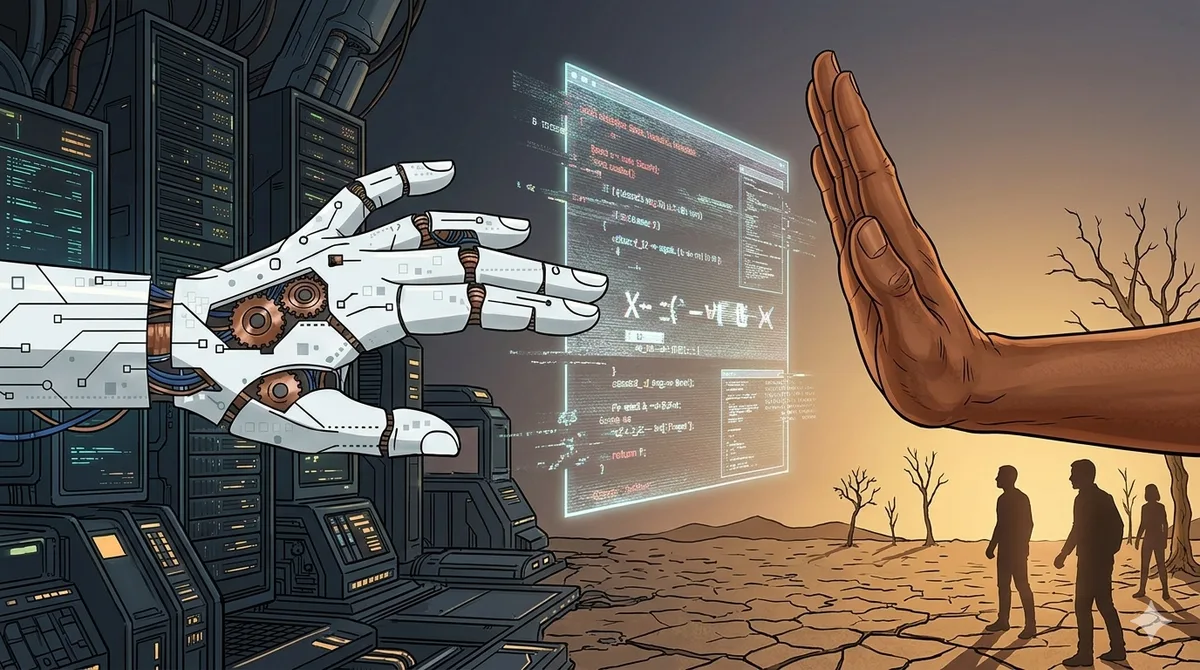
"Strategy Is Science Fiction" by Santiago Chávez
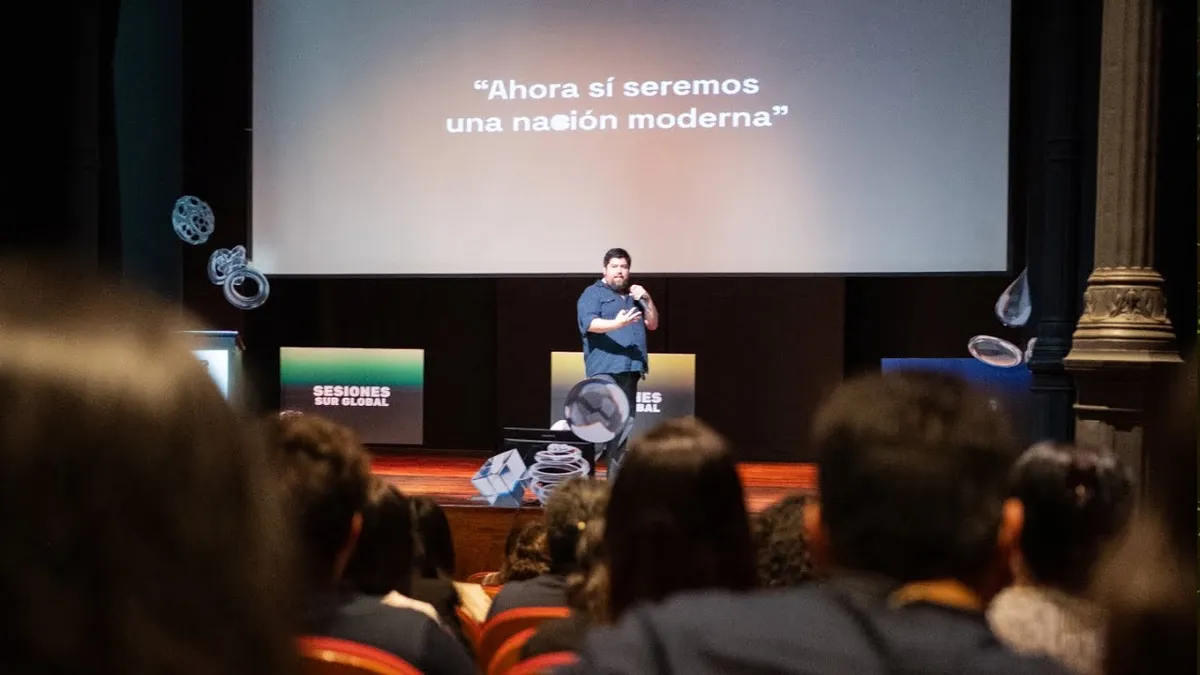
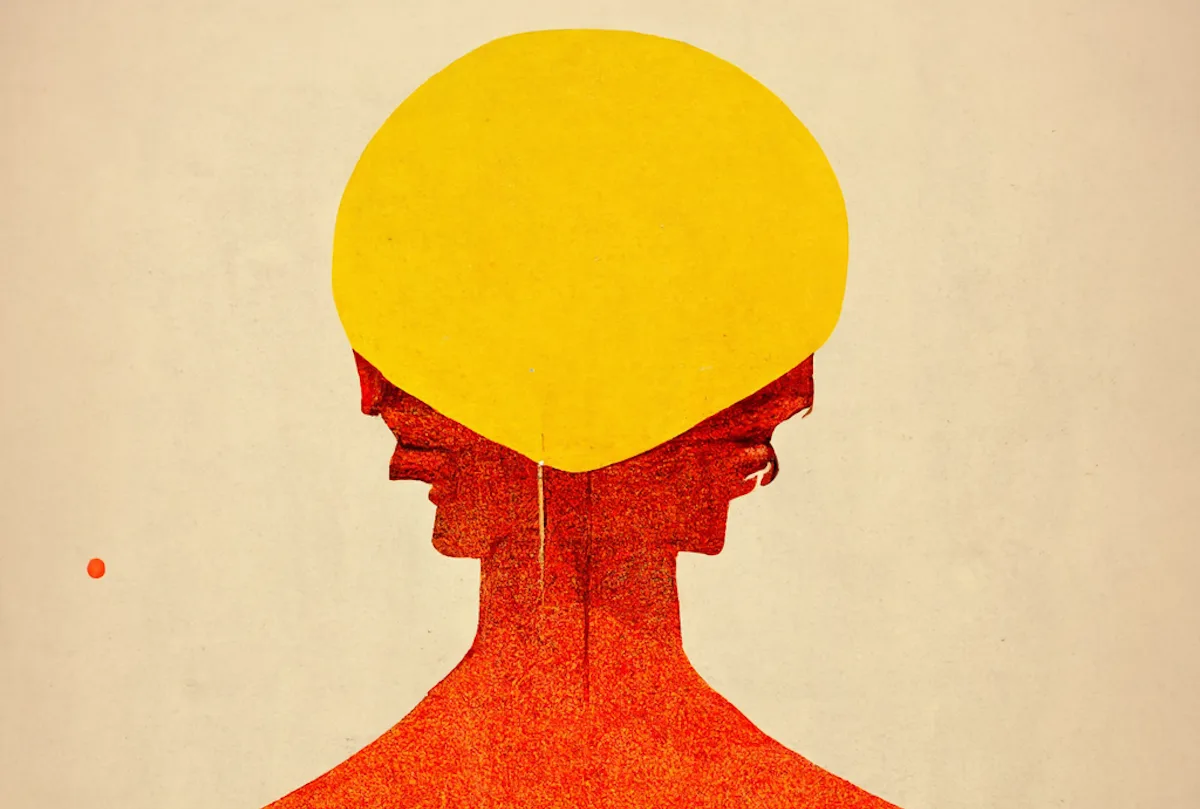
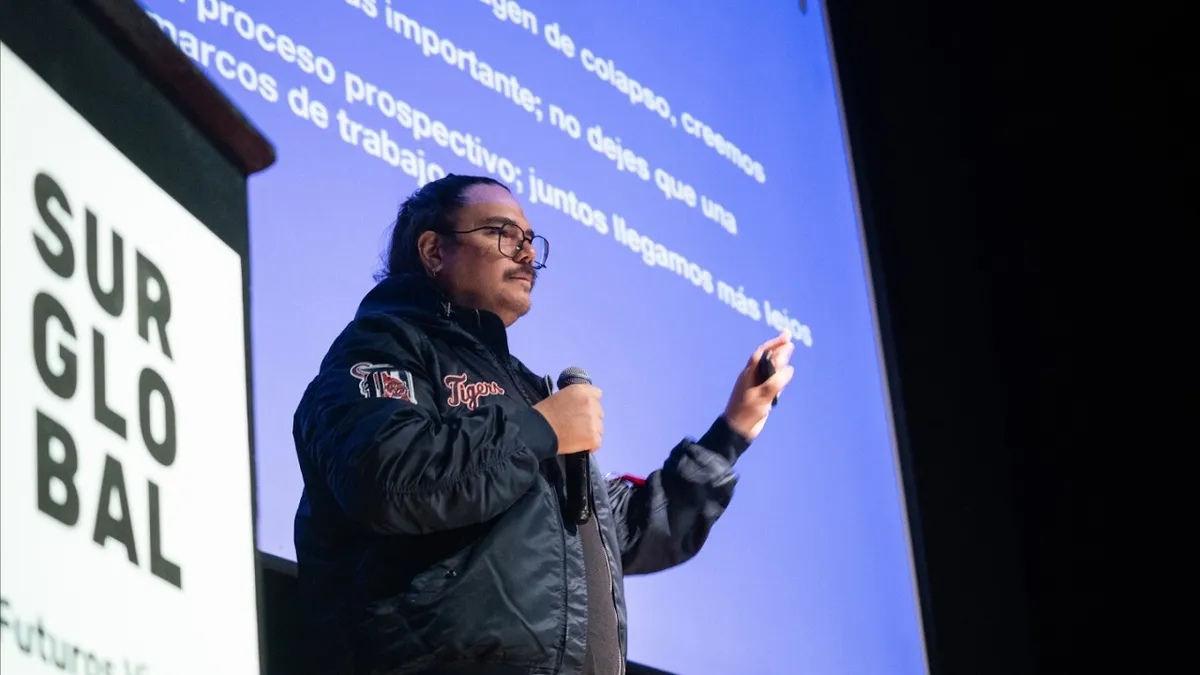
At Sesiones Sur Global 2025, Santiago Chávez, Director of Trends & Foresight at Tlacuache Blue, invites us to question the images of the future that we are consuming and reproducing.
Topic
Scenarios, imaginaries, and strategies for envisioning and building other possible futures from the Global South.
36 pieces of content

At Sesiones Sur Global 2025, Santiago Chávez, Director of Trends & Foresight at Tlacuache Blue, invites us to question the images of the future that we are consuming and reproducing.
When the world we inhabit seems to be approaching its limits—ecological, social, and cultural—our ability to shape it also reaches its limits.
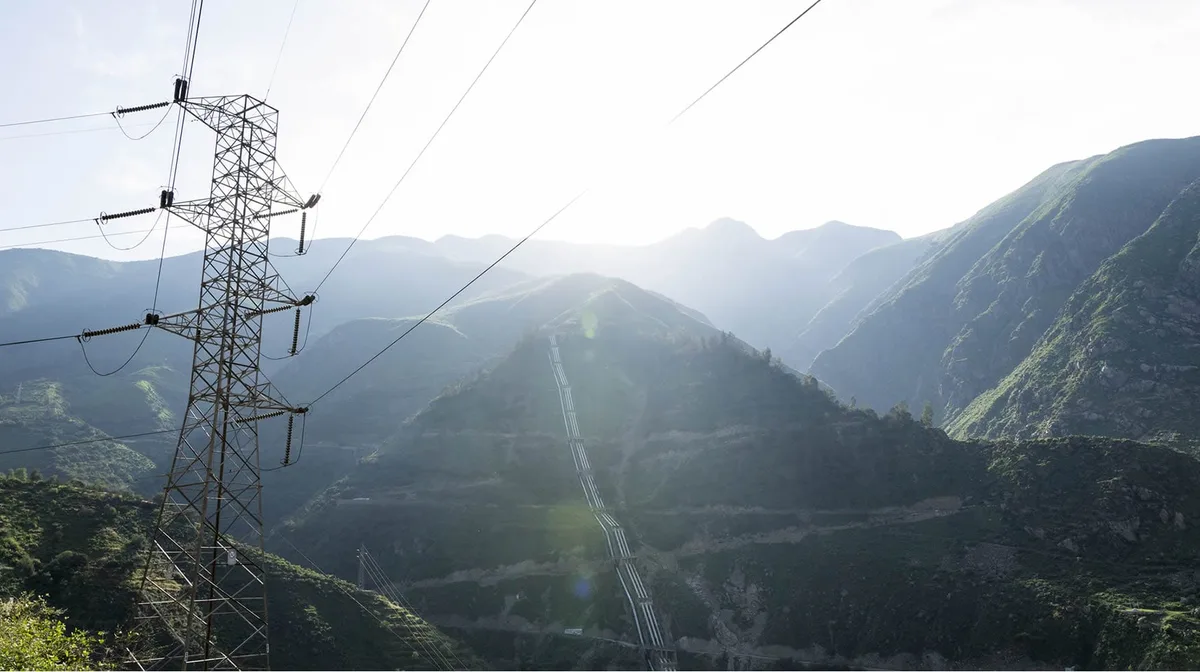
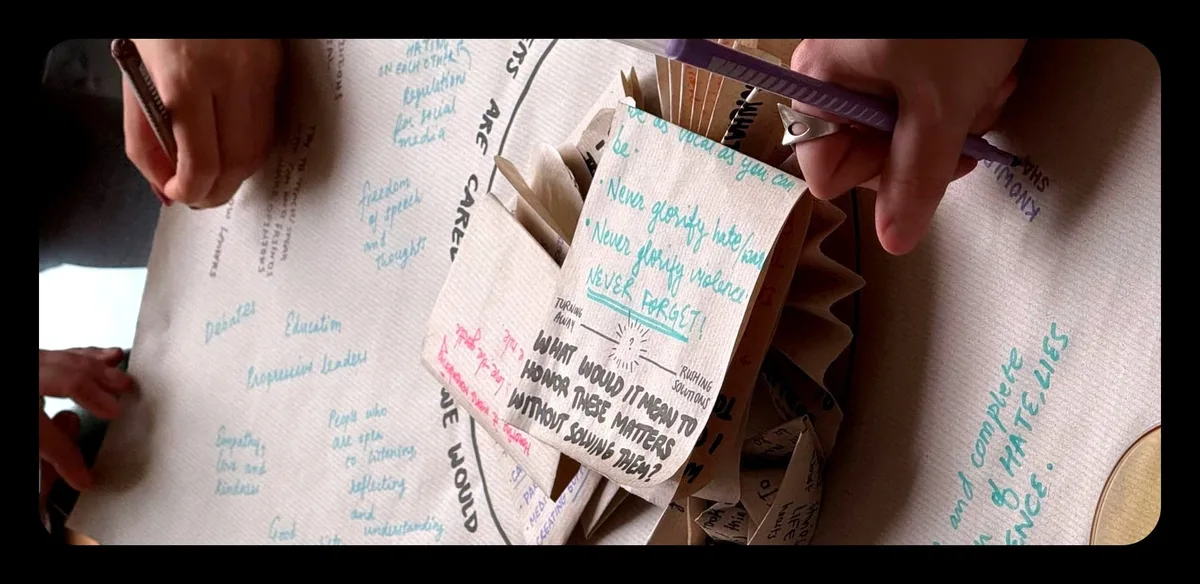
The climate crisis is already here. In the face of it, neither naive optimism nor pessimism will help. We need active hope: the understanding that the future depends on what we do today. Every action counts. Tomorrow cannot be predicted; it is built through organization, collective action, and pressure on those in power. Let’s not wait for a better future—let’s make it livable starting now. 📸: Susan Wilkinson, Oliver Kwembe, Leonardo Basso, Francesco Ungaro.
There are other ways to think about the future: more local, more collaborative, and less dependent on systems that prioritize extraction over life. Community innovation shows that technology can also strengthen social ties, knowledge sharing, and help build collective autonomy. Photos: Andres Kishimoto
The news influences the way we see and perceive the world. The stories it tells have an impact on our decisions and help shape possible futures.
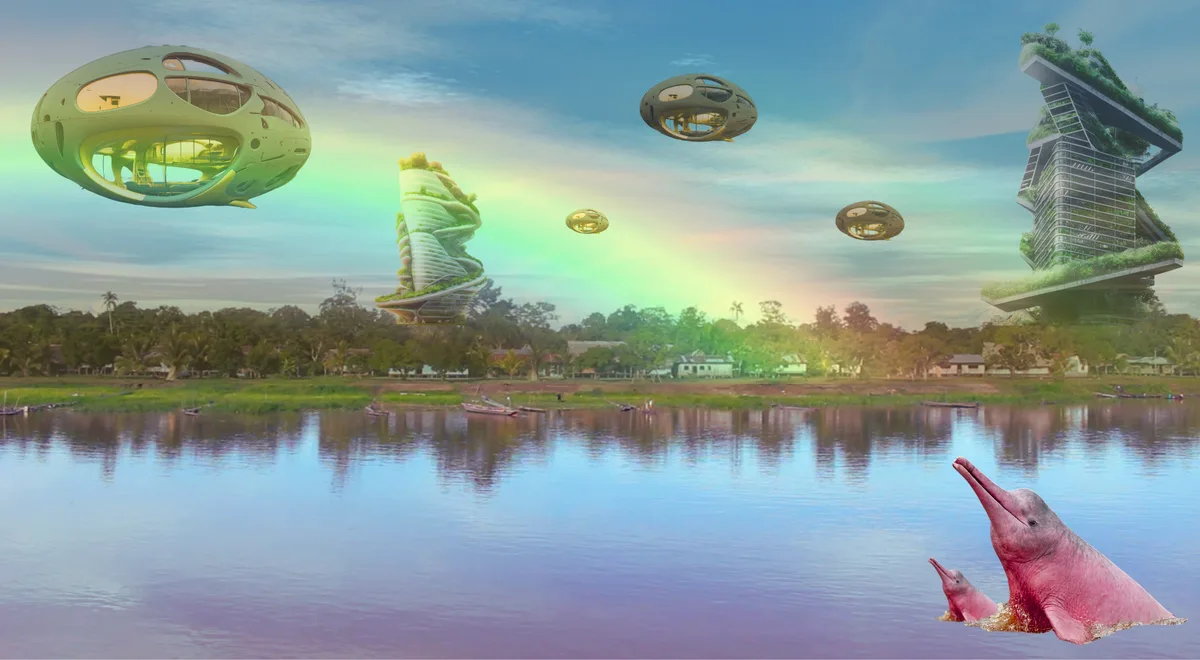
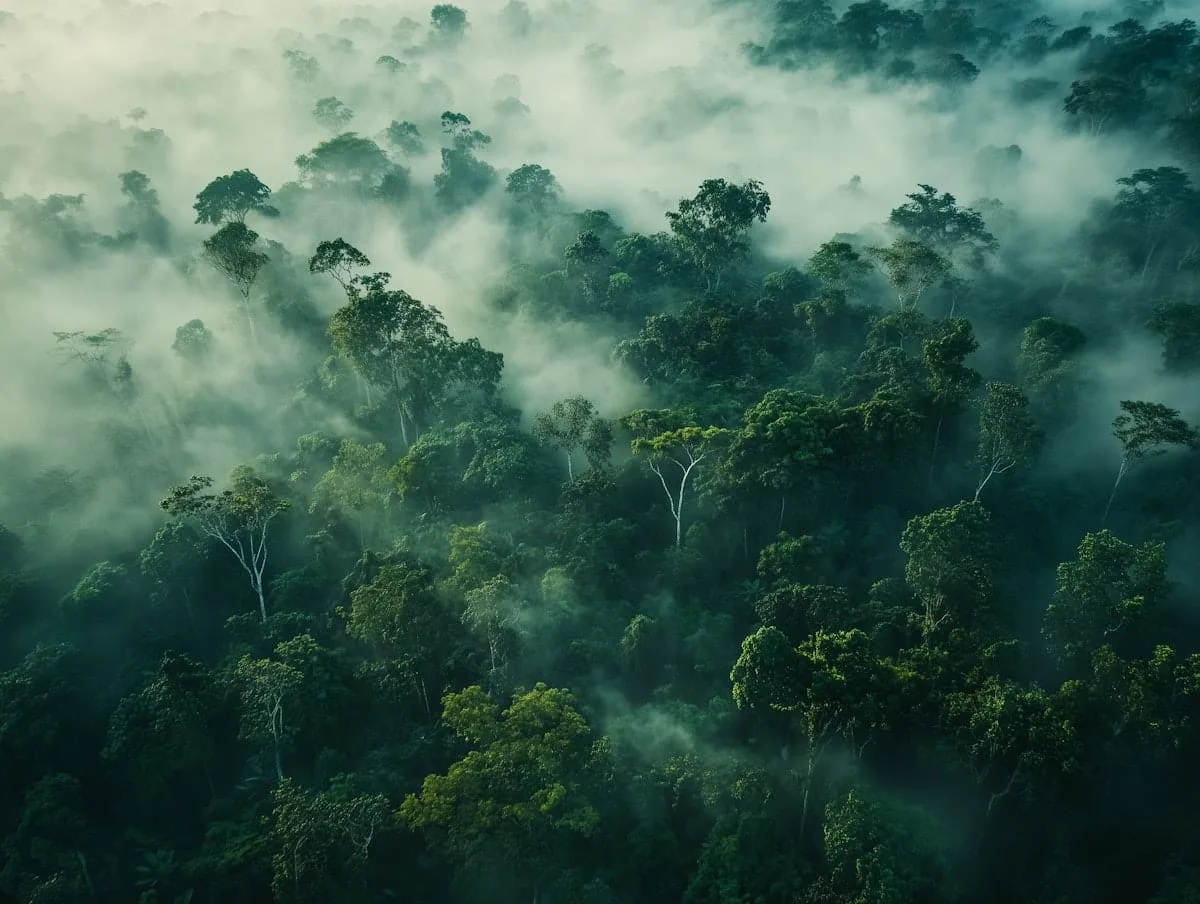
A Brief Overview of Utopias in the Tropical Forest By Aliza Yanes Since the term was coined in 2019 to describe a movement in the visual arts that originated in Brazil, the concept of Amazofuturism has taken root in that country as a subgenre of science fiction literature and raises interesting questions: how is the future of this region conceived aesthetically, and who
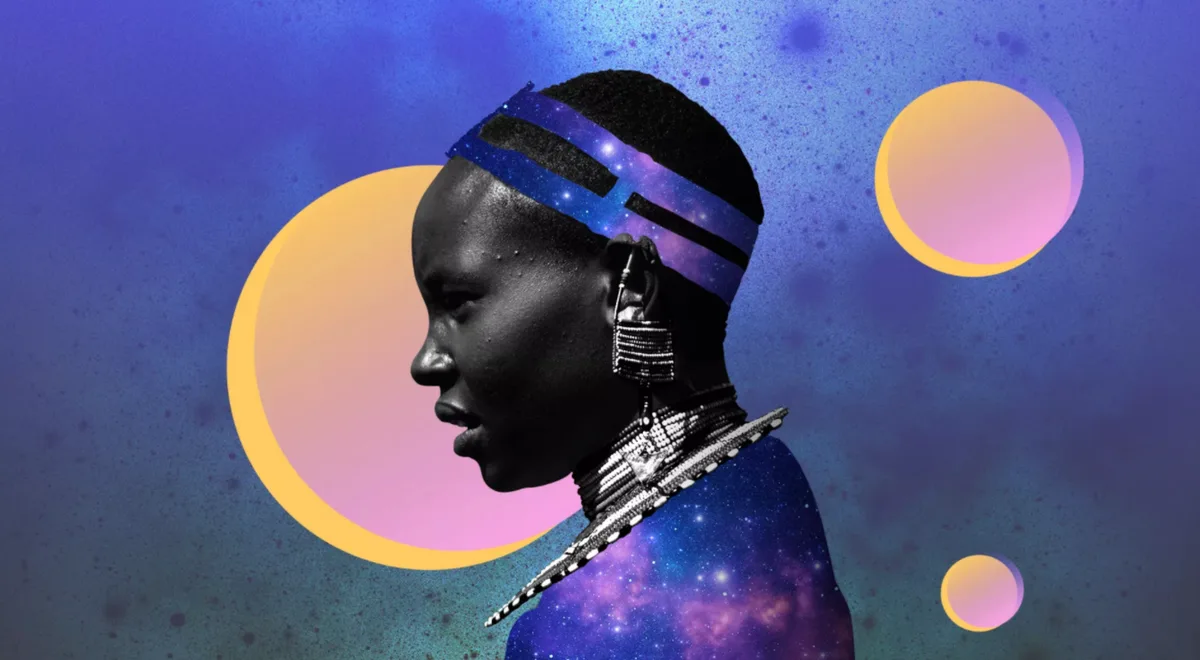
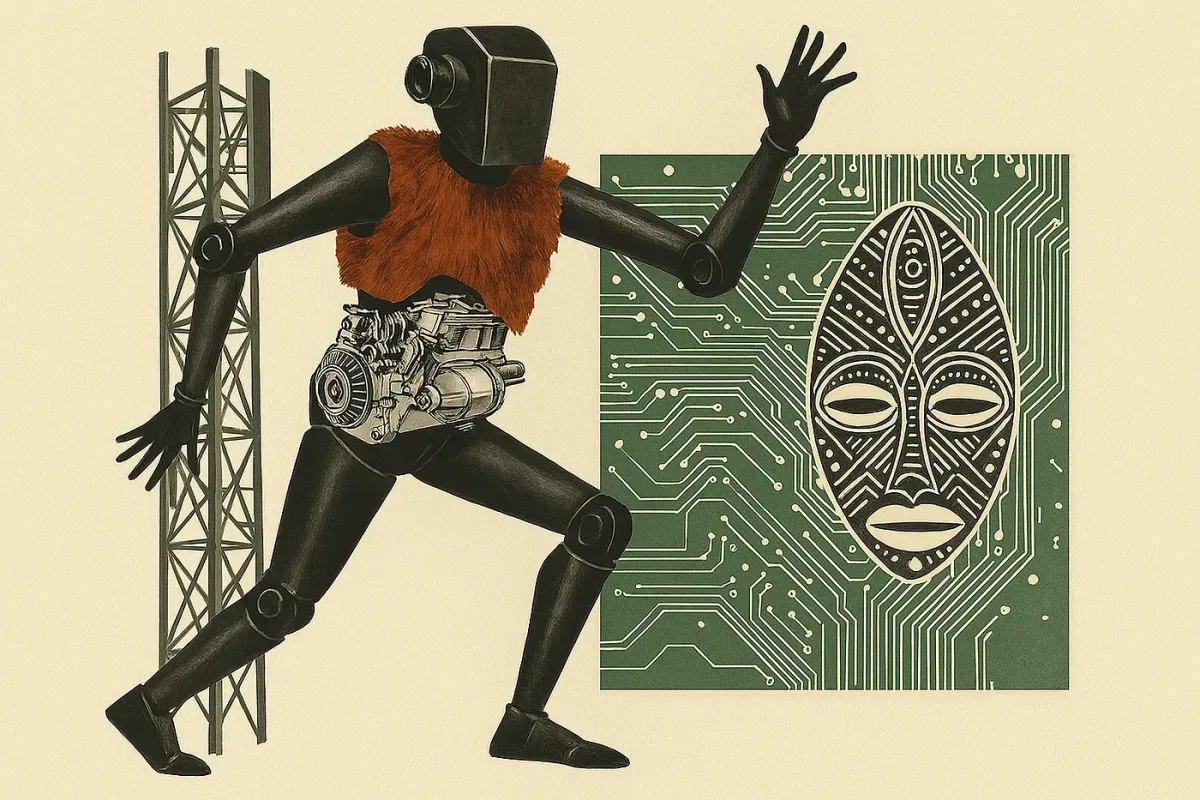
Afrofuturism, Artificial Intelligence, and Community By Antoinette Torres Soler I was introduced to Afrofuturism through a short story by Du Bois. “The Comet,” one of his lesser-known stories, imagines a catastrophe that devastates New York and leaves, for a moment, a Black man and a white woman alive. In that moment of apocalypse, the Black man can be human. He can have a human relationship. He can ex
There are many ways to imagine the future, but not all of them start from the same place.
-By Daniel Cáceres Apolaya- What Is STEM and Why Does It Matter? STEM—science, technology, engineering, and mathematics—has become a relevant and urgent issue because, together with AI, these two fields drive nations’ competitive, technological, and strategic advantages in the modern era (BCG, 2025). And this makes sense when we consider that almost all of the fastest-growing jobs
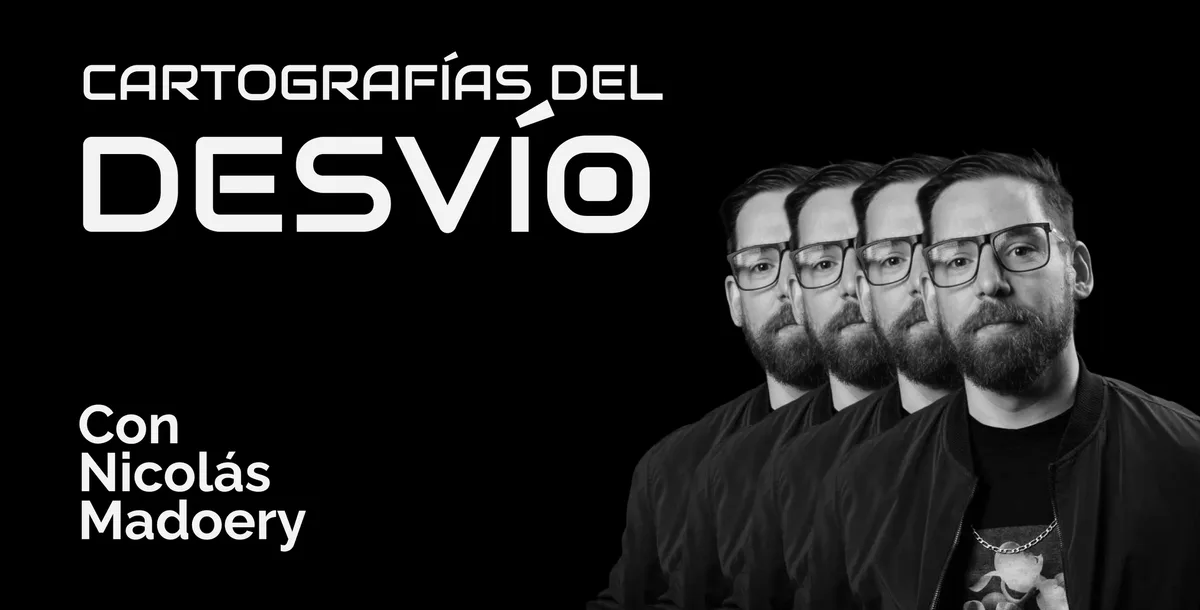
-Nicolás Madoery, from the Global South- What does it mean to imagine from the margins? *Cartographies of the Detour* is a series of brief but meaningful interviews that seek to balance critical depth with humanity, from a perspective rooted in the Global South and for the Global South. In this conversation with Nicolás Madoery, we explore how to design cultural futures in a digital ecosystem dominated by the logic of ext
A critical and context-specific examination of innovation, questioning its apparent neutrality and exploring how context, culture, power, and techno-social relationships influence the way we imagine and shape the future.
In the face of the toll taken by violence, fear, and fragmentation, Latin American feminist resistance movements propose a return to the body, to connection, and to collective action as concrete ways to sustain life and explore other possible futures.
Algorithms are not neutral. They have an accent, a genealogy, and a colonial memory. In the Global South, where technology often arrives packaged as an inevitable fate, resistance begins by dismantling its promises and reclaiming its infrastructure.
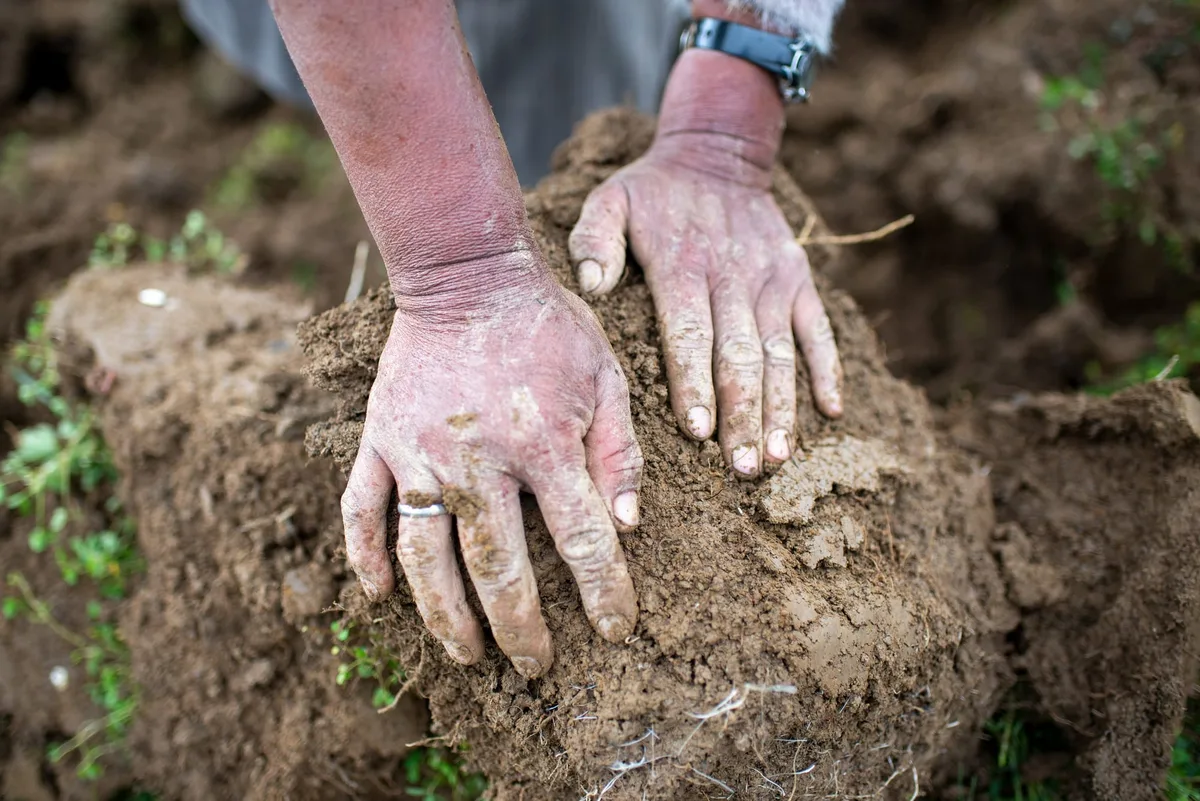
In ancestral agricultural wisdom, the diversity it has generated, and the reciprocity expressed in the Quechua concept of “uyway,” we find the keys to a sustainable future. This article by Illa Liendo Tagle encourages us to return to our roots to address today’s crises.

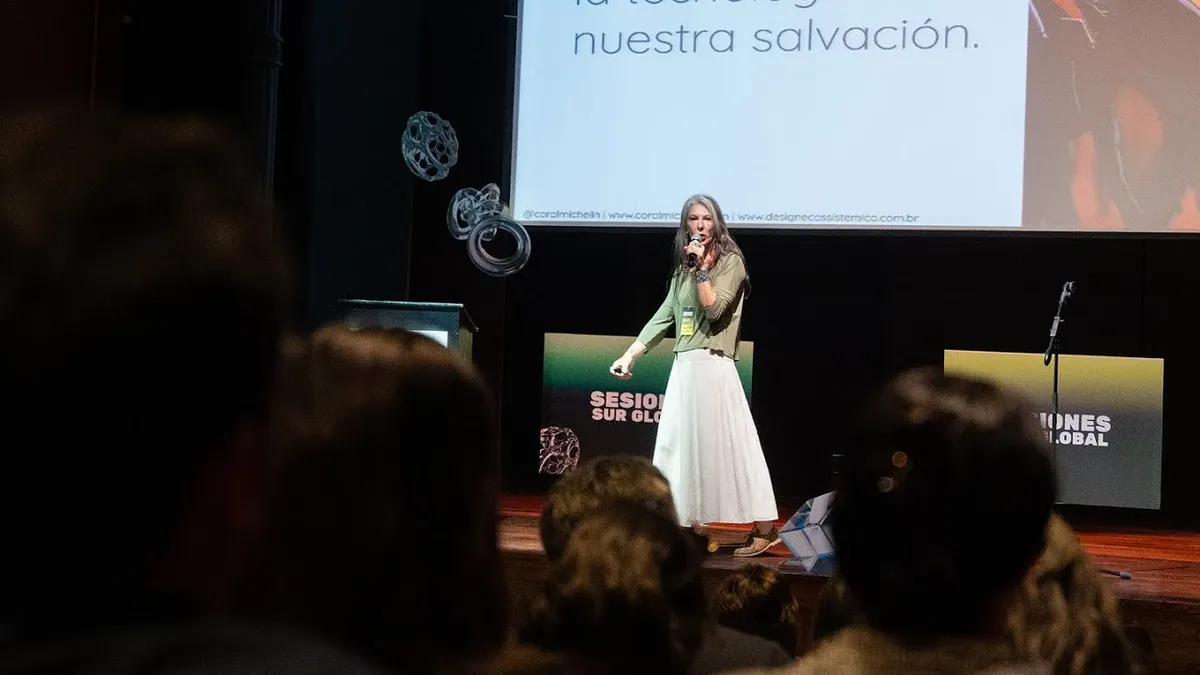
In this edition of Sesiones Sur Global 2025, Coral Michelin invites us to reflect on the following questions: What future has the past created? How did we reach this point of planetary system collapse? How can we create better futures?

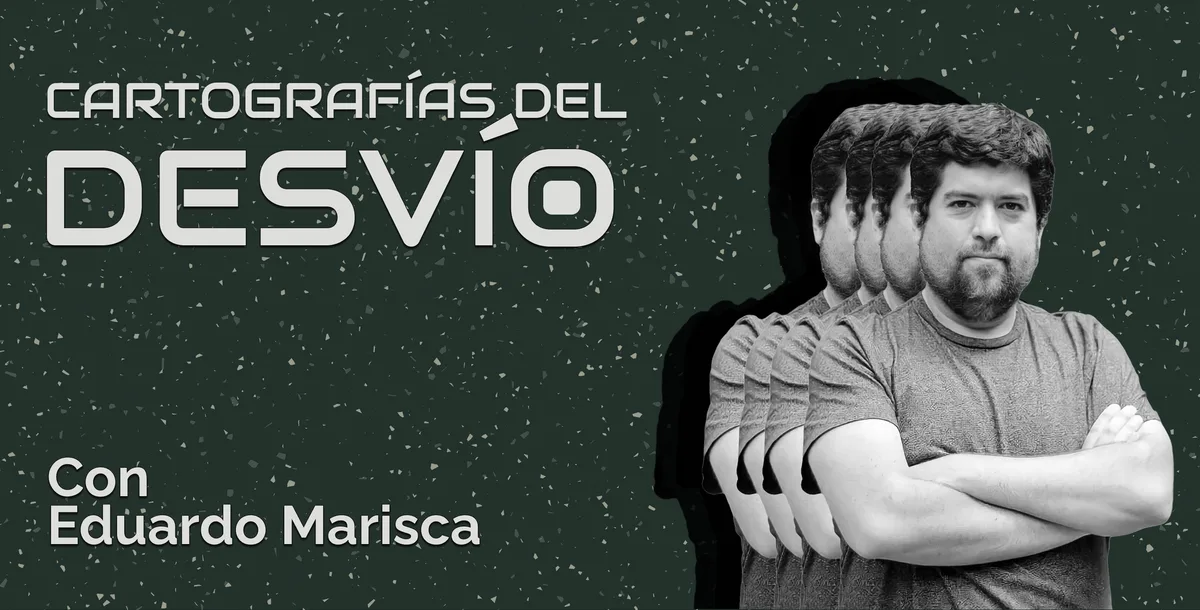
In this edition of Sesiones Sur Global 2025, Eduardo Marisca invites us to examine how Latin America—and Peru in particular—has historically shaped its vision of the future.
The future of your organization isn't defined by a five-year plan or a mission statement, but by something much more immediate and powerful: the unseen decisions your teams make every day.
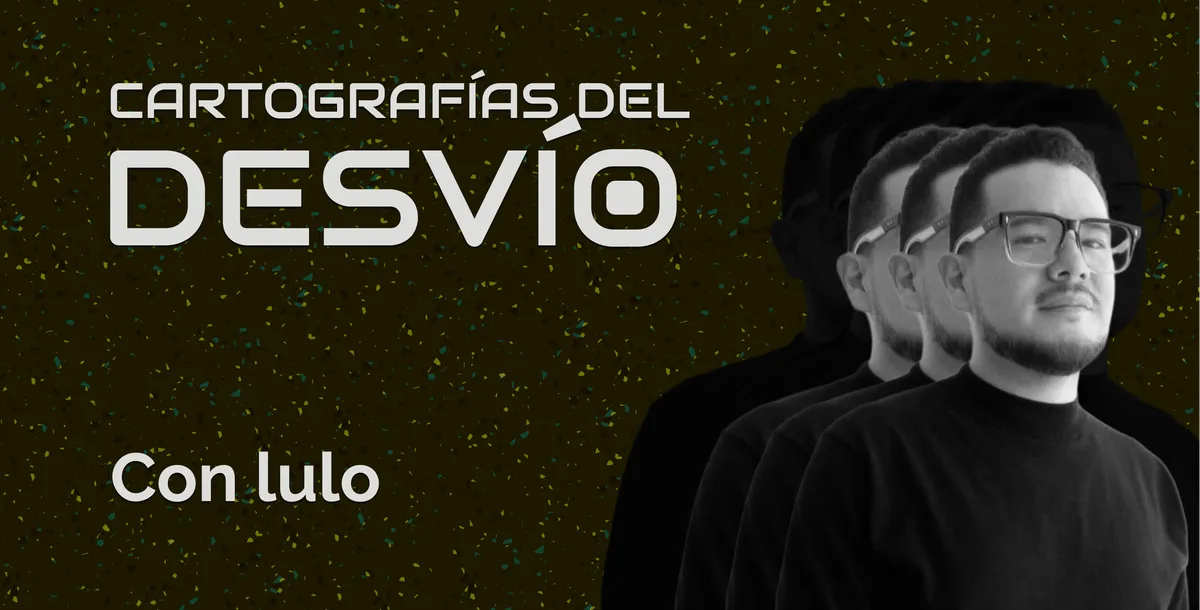
"Cartographies of the Detour" could have been a Victorian game coined by Proust, but we will instead present it as a series of brief yet meaningful interviews that seek to balance critical acuity with human depth, always from—and for—the South.
When the individual perspective ignores inequality, care loses its collective meaning. Reclaiming that meaning—through community efforts, time, networks, and policies—is essential to envisioning shared futures and making them possible.
By CIPPEC, P&I, and HUB LAC Change is a constant, but there are moments when various dynamics converge to shake up structures, reshape priorities, and open up new possibilities. We believe this is one of those moments, and that it represents an opportunity to rethink ourselves as a region. In particular, to ask ourselves how our research systems work: how are the

Can we design public policies on technology that empower rather than manipulate? How can we hack the colonial biases embedded in “nudges”?
"Cartographies of the Detour" could have been a Victorian game coined by Proust, but we will instead present it as a series of brief yet meaningful interviews that seek to balance critical acuity with human depth, always from—and for—the South.
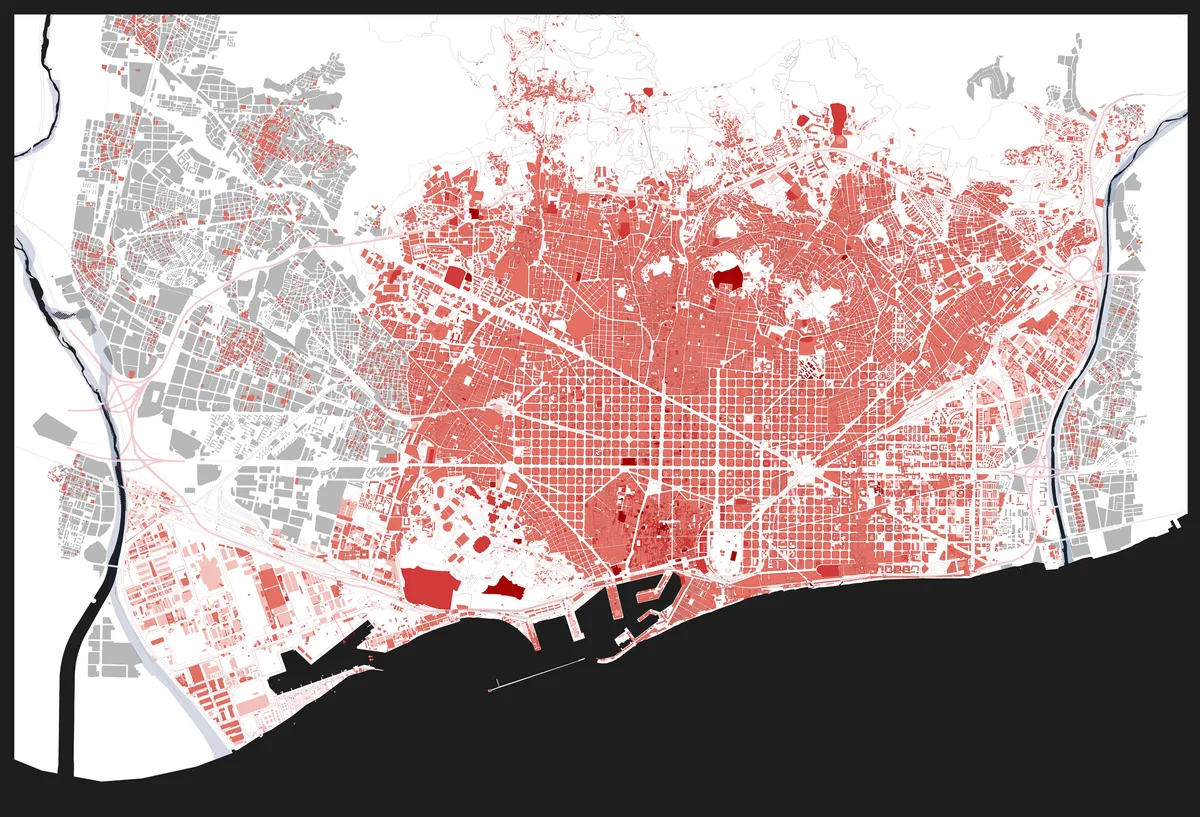
By Toban Shadlyn I Want to Be Earth[1] Barcelona is nestled between two rivers, the Besòs to the northeast and the Llobregat to the southwest. For most residents, these rivers represent boundaries—areas where metro lines thin out, where graffiti becomes more prevalent, where the city gives way to industrial parks. And yet, these rivers, along with the mountain reservoirs and underground aquifers
By Abel Valdez “We designers often focus too much on the object being designed, and not enough on the system within which it operates.” — Don Norman, *The Design of Everyday Things*. In contexts where uncertainty is the norm rather than the exception, design begins to take on a role different from the one traditionally attributed to it. It is not merely a matter of beautifying, communicating, or cr
By Diego Rey Sun Han There are days when everything feels a little overwhelming. The news, the meetings, the small decisions that feel like huge ones. Meanwhile, we’re faced with the idea that there are only two paths: either you’re for it, or you’re against it. Do you move quickly or take your time? Do you innovate or stick with what already works? Without realizing it, we go into conversations weighed down by baggage
"Cartographies of the Detour" could have been a Victorian game coined by Proust, but we will instead present it as a series of brief yet meaningful interviews that seek to balance critical acuity with human depth, always from—and for—the South.

How can we design futures when the present is constantly being redefined? In a context where ecological, technological, and geopolitical crises are not isolated events but interconnected dynamics, the future ceases to be a linear projection and instead becomes…
Imagine a generation that graduates knowing how to capture carbon using algae, design porous cities, and interpret the environmental footprint of every product on supermarket shelves.
A few months ago, I decided to leave my country to pursue a master's degree. After completing my bachelor's degree, weathering a pandemic, and navigating the fast pace of working life, I began to feel disconnected.
Creating a more just, sustainable, and prosperous future for everyone requires long-term thinking, an ethical approach, and an appreciation for diverse perspectives.
The myth of progress
Let's face it: predicting the future is hard. If it were easy, we'd already be living on Mars—and, just as importantly, someone would have invented a house that cleans itself.
We are living in a time of crisis and transformation. Inequality, climate change, and the need to rethink our economic and social systems are forcing us to look beyond the status quo.
A guide to surviving the 21st century
In a world where uncertainty is the only constant, leading a sustainable team goes beyond simply achieving results.
Newsletter
Ideas and voices from the South in your inbox. Free, no spam.
We respect your privacy. Unsubscribe anytime.