UNTOLD.ink
Back

future skillsExplore also: education

The Future of STEM Is Behavioral

-By Daniel Cáceres Apolaya- What Is STEM and Why Does It Matter? STEM—science, technology, engineering, and mathematics—has become a relevant and urgent issue because, together with AI, these two fields drive nations’ competitive, technological, and strategic advantages in the modern era (BCG, 2025). And this makes sense when we consider that almost all of the fastest-growing jobs
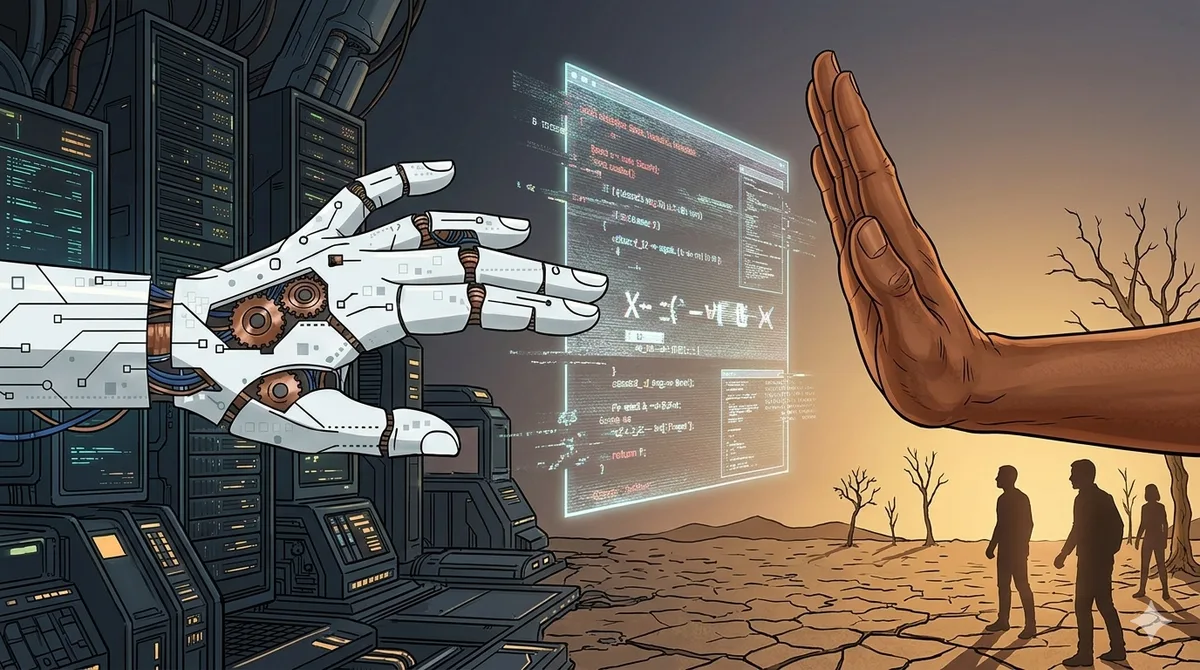
The Future of STEM Is Behavioral
Feb 25, 2026·1 min read

Translating into English

We're translating this content for you. It'll be ready in just a moment — thank you for your patience.

Daniel Cáceres Apolaya

Daniel Cáceres Apolaya

Sobre Daniel

Industrial engineer, coach and holder of a Master’s in HR & Organizational Behavior from The London School of Economics (UK). Passionate about facilitating behavioral, cultural or technological change among STEM teams and leaders, empathizing with data, design and behavioral science. Founder of STEMos cerca. 14 years of multi-industry experience applying change management, agility, learning consulting for reskilling, operations and continuous improvement, and managing operations or projects from start to finish with HR teams.


Tags:futuresSTEM

You might also like

1:03

Episode 164: Elsie Ralston & Alejandra Dancuart | Learning Communities

In this episode of the Command Z Podcast, I’m joined by Alejandra Dancuart and Elsie Ralston, co-founders of Sur Global, a project dedicated to responsible innovation. Alejandra has more than 10 years of experience in innovation, HR, and community building, creating programs that bridge the digital skills gap in Latin America and Europe, in addition to teaching in rural communities in Peru. Elsie, a writer and strategist based in Copenhagen, brings more than a decade of experience in strategic design and inclusive education; as Executive Director of Sur Global and editorial director of UNTOLD.ink, she drives educational experiences with tangible impact.

Community Innovation

There are other ways to think about the future: more local, more collaborative, and less dependent on systems that prioritize extraction over life. Community innovation shows that technology can also strengthen social ties, knowledge sharing, and help build collective autonomy. Photos: Andres Kishimoto

Newsletter

Ignite your curiosity, transform the future

Ideas and voices from the South in your inbox. Free, no spam.

We respect your privacy. Unsubscribe anytime.