The Crisis of Imagination and the News: What Futures Are Possible?
The news influences the way we see and perceive the world. The stories it tells have an impact on our decisions and help shape possible futures.

9 min read
0
In-depth analysis, research and reflections on responsible technology, accessibility and decolonial thinking.
The news influences the way we see and perceive the world. The stories it tells have an impact on our decisions and help shape possible futures.
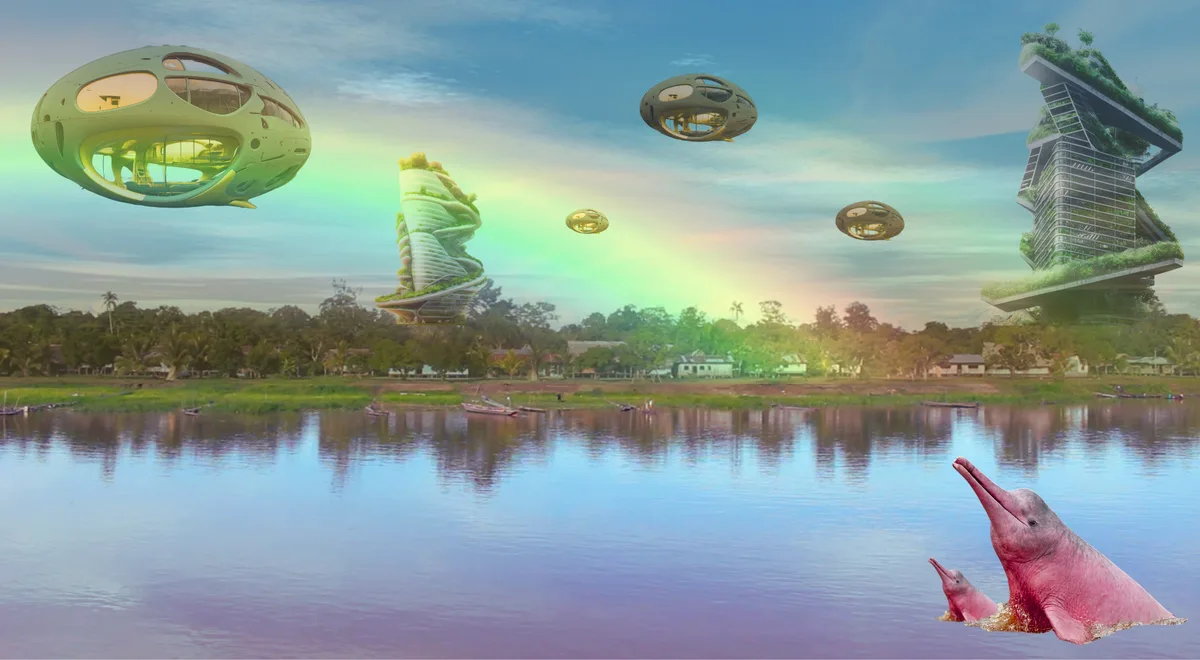
A Brief Overview of Utopias in the Tropical Forest By Aliza Yanes Since the term was coined in 2019 to describe a movement in the visual arts that originated in Brazil, the concept of Amazofuturism has taken root in that country as a subgenre of science fiction literature and raises interesting questions: how is the future of this region conceived aesthetically, and who
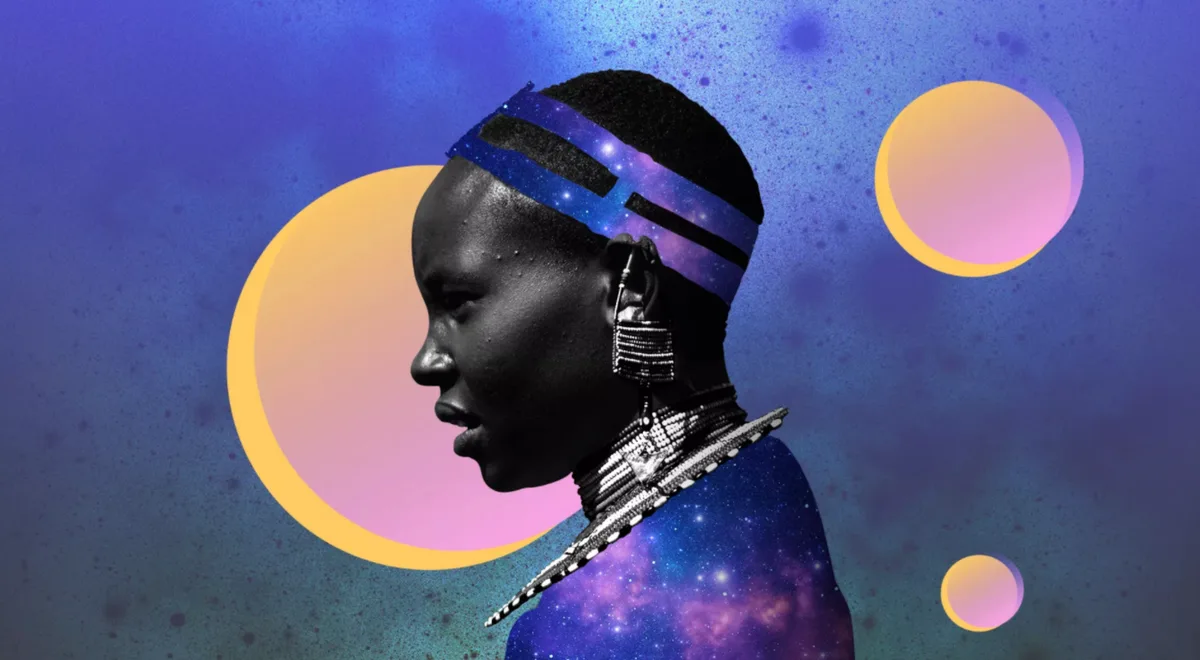
Afrofuturism, Artificial Intelligence, and Community By Antoinette Torres Soler I was introduced to Afrofuturism through a short story by Du Bois. “The Comet,” one of his lesser-known stories, imagines a catastrophe that devastates New York and leaves, for a moment, a Black man and a white woman alive. In that moment of apocalypse, the Black man can be human. He can have a human relationship. He can ex
There are many ways to imagine the future, but not all of them start from the same place.
-By Daniel Cáceres Apolaya- What Is STEM and Why Does It Matter? STEM—science, technology, engineering, and mathematics—has become a relevant and urgent issue because, together with AI, these two fields drive nations’ competitive, technological, and strategic advantages in the modern era (BCG, 2025). And this makes sense when we consider that almost all of the fastest-growing jobs
-Nicolás Madoery, from the Global South- What does it mean to imagine from the margins? *Cartographies of the Detour* is a series of brief but meaningful interviews that seek to balance critical depth with humanity, from a perspective rooted in the Global South and for the Global South. In this conversation with Nicolás Madoery, we explore how to design cultural futures in a digital ecosystem dominated by the logic of ext
A critical and context-specific examination of innovation, questioning its apparent neutrality and exploring how context, culture, power, and techno-social relationships influence the way we imagine and shape the future.
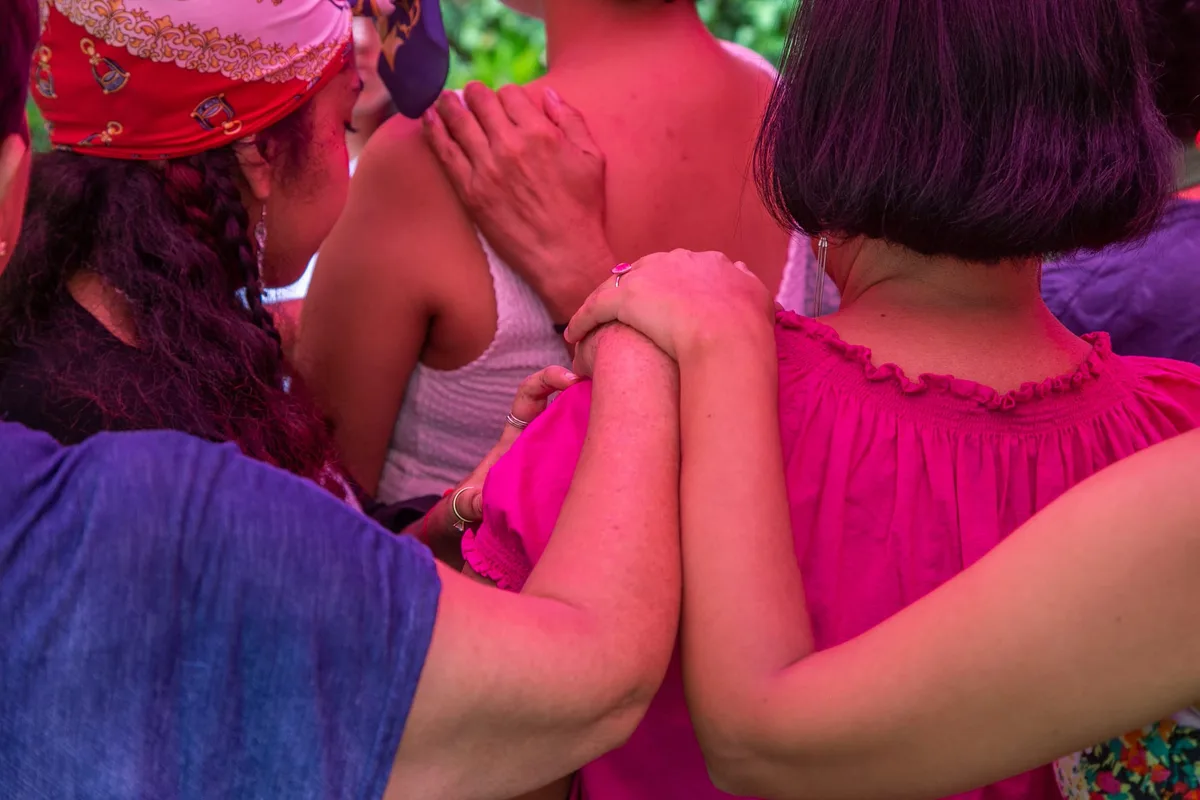
In the face of the toll taken by violence, fear, and fragmentation, Latin American feminist resistance movements propose a return to the body, to connection, and to collective action as concrete ways to sustain life and explore other possible futures.
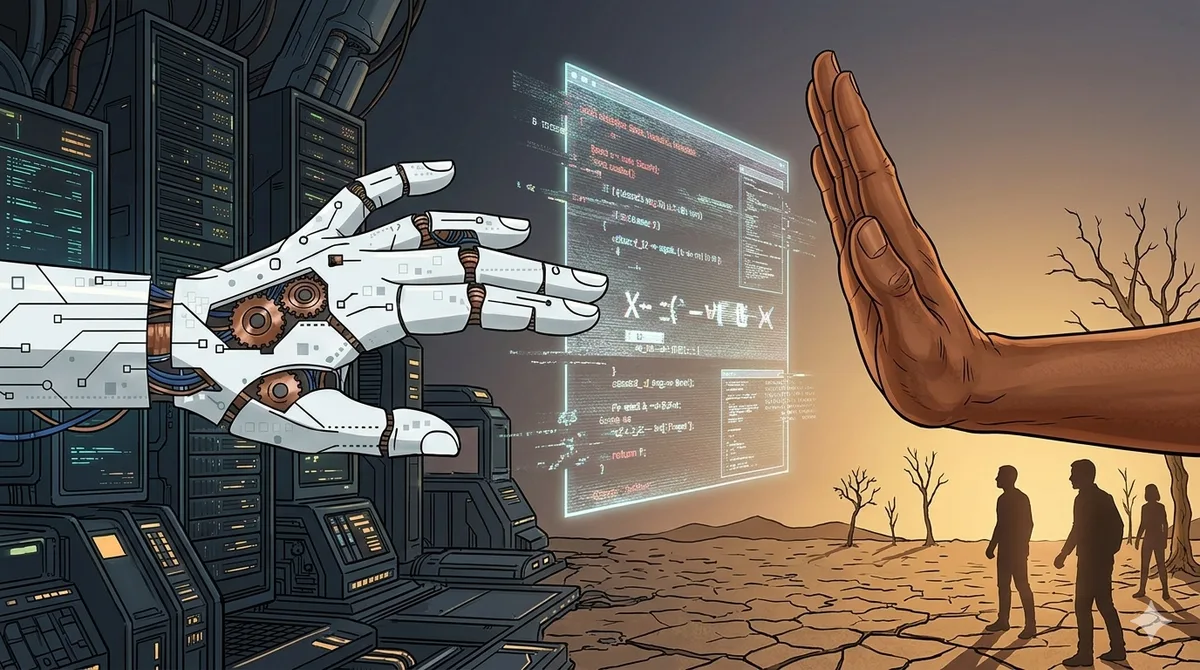
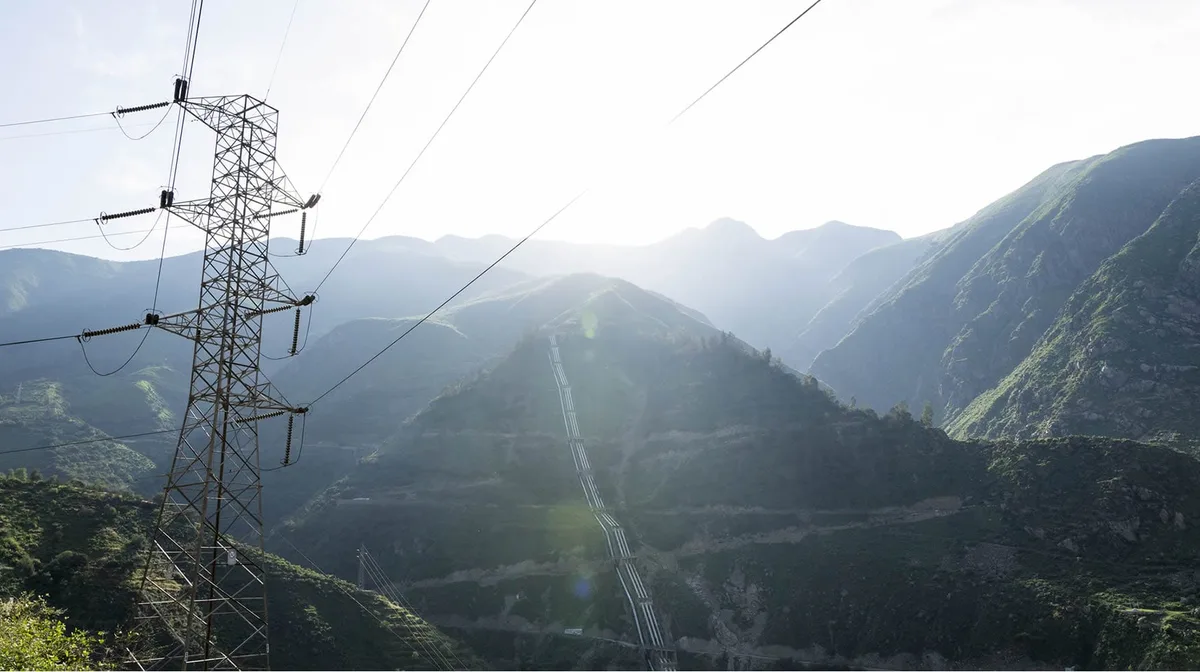
Algorithms are not neutral. They have an accent, a genealogy, and a colonial memory. In the Global South, where technology often arrives packaged as an inevitable fate, resistance begins by dismantling its promises and reclaiming its infrastructure.
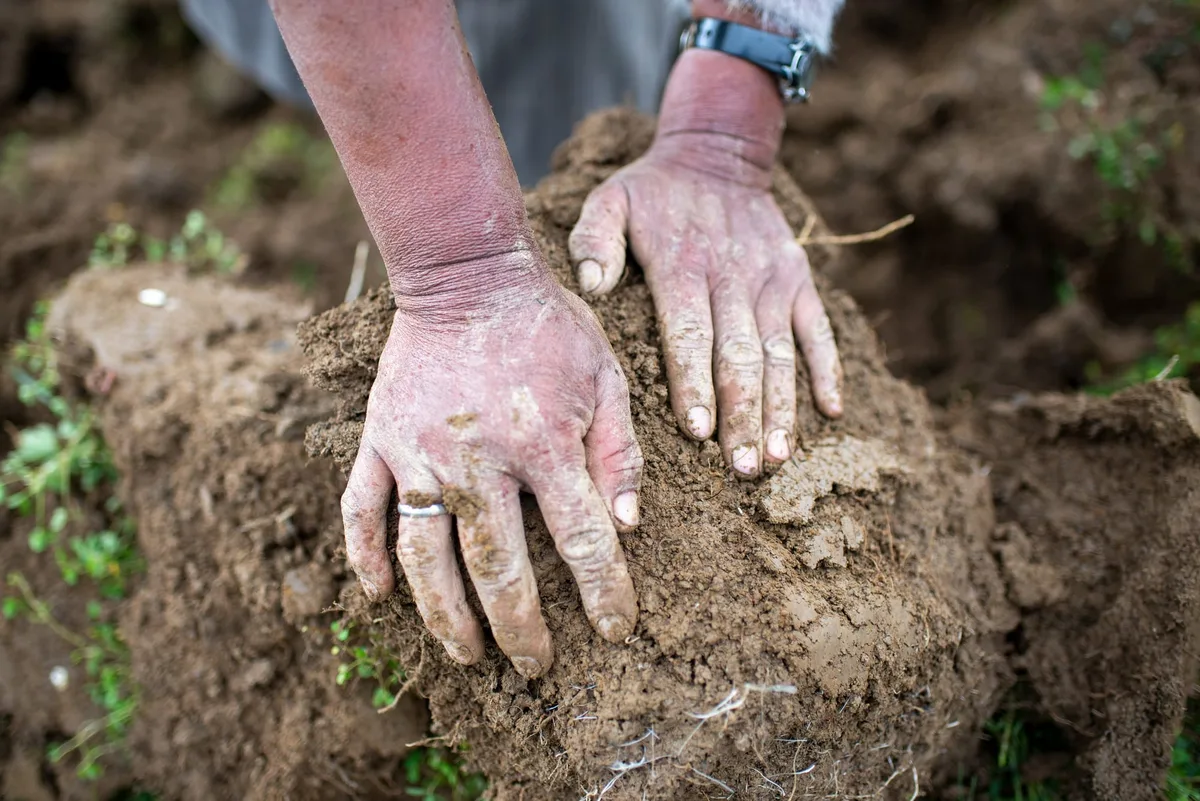
In ancestral agricultural wisdom, the diversity it has generated, and the reciprocity expressed in the Quechua concept of “uyway,” we find the keys to a sustainable future. This article by Illa Liendo Tagle encourages us to return to our roots to address today’s crises.
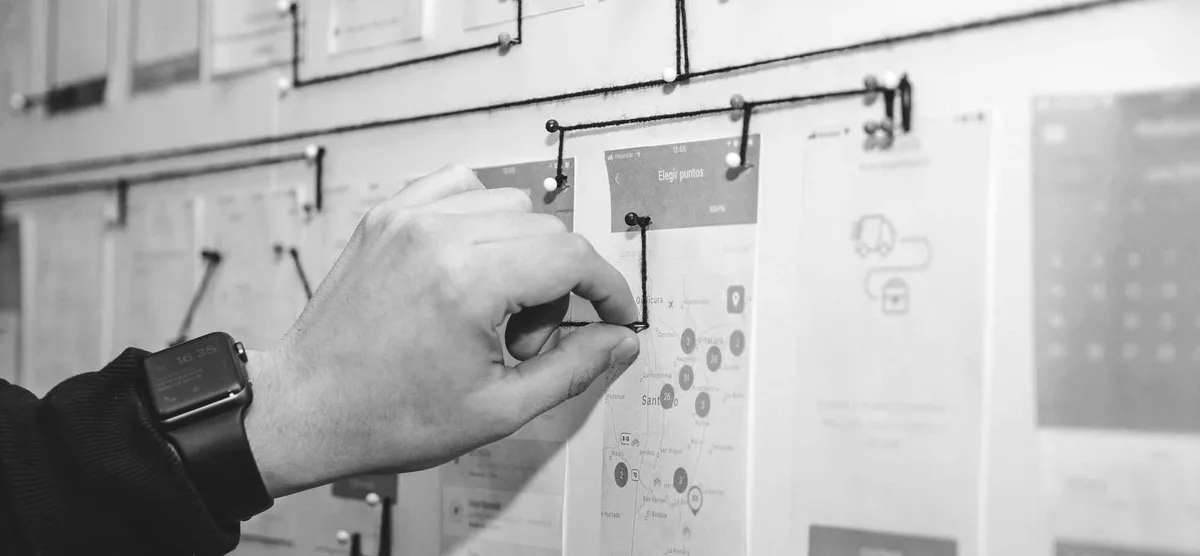
The future of your organization isn't defined by a five-year plan or a mission statement, but by something much more immediate and powerful: the unseen decisions your teams make every day.
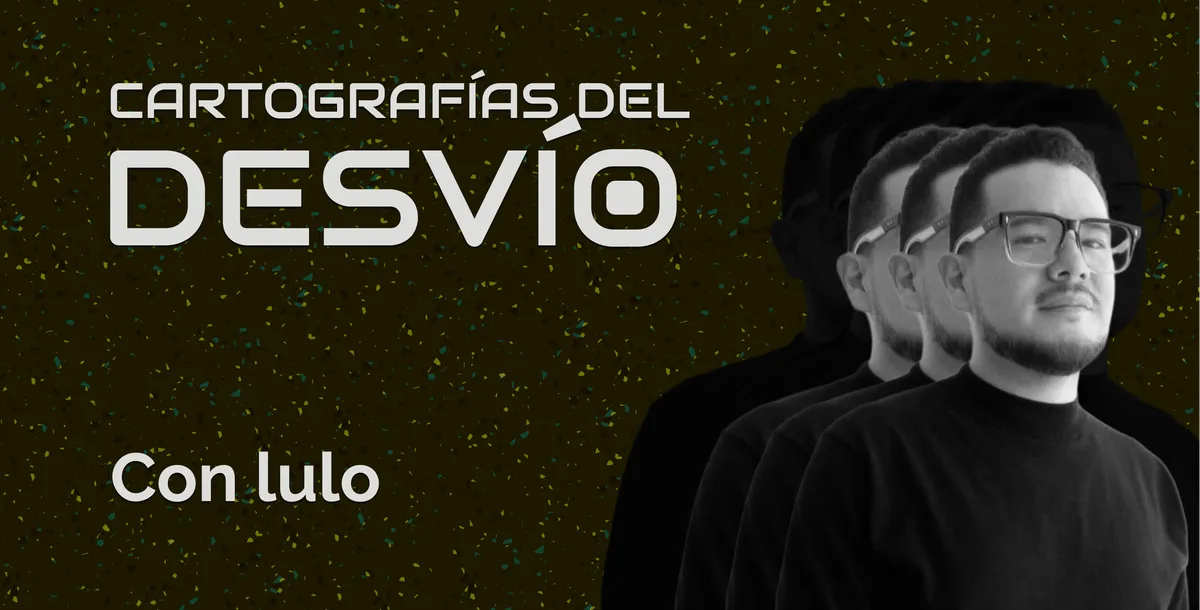
"Cartographies of the Detour" could have been a Victorian game coined by Proust, but we will instead present it as a series of brief yet meaningful interviews that seek to balance critical acuity with human depth, always from—and for—the South.
Newsletter
Ideas and voices from the South in your inbox. Free, no spam.
We respect your privacy. Unsubscribe anytime.