Invisible Infrastructure
The infrastructures that sustain life—water, soil, networks, care—and why innovation must strengthen them.
sustainabilityExplore also: futures
 Cristian SituOct 23, 2026
The Myth of Growth
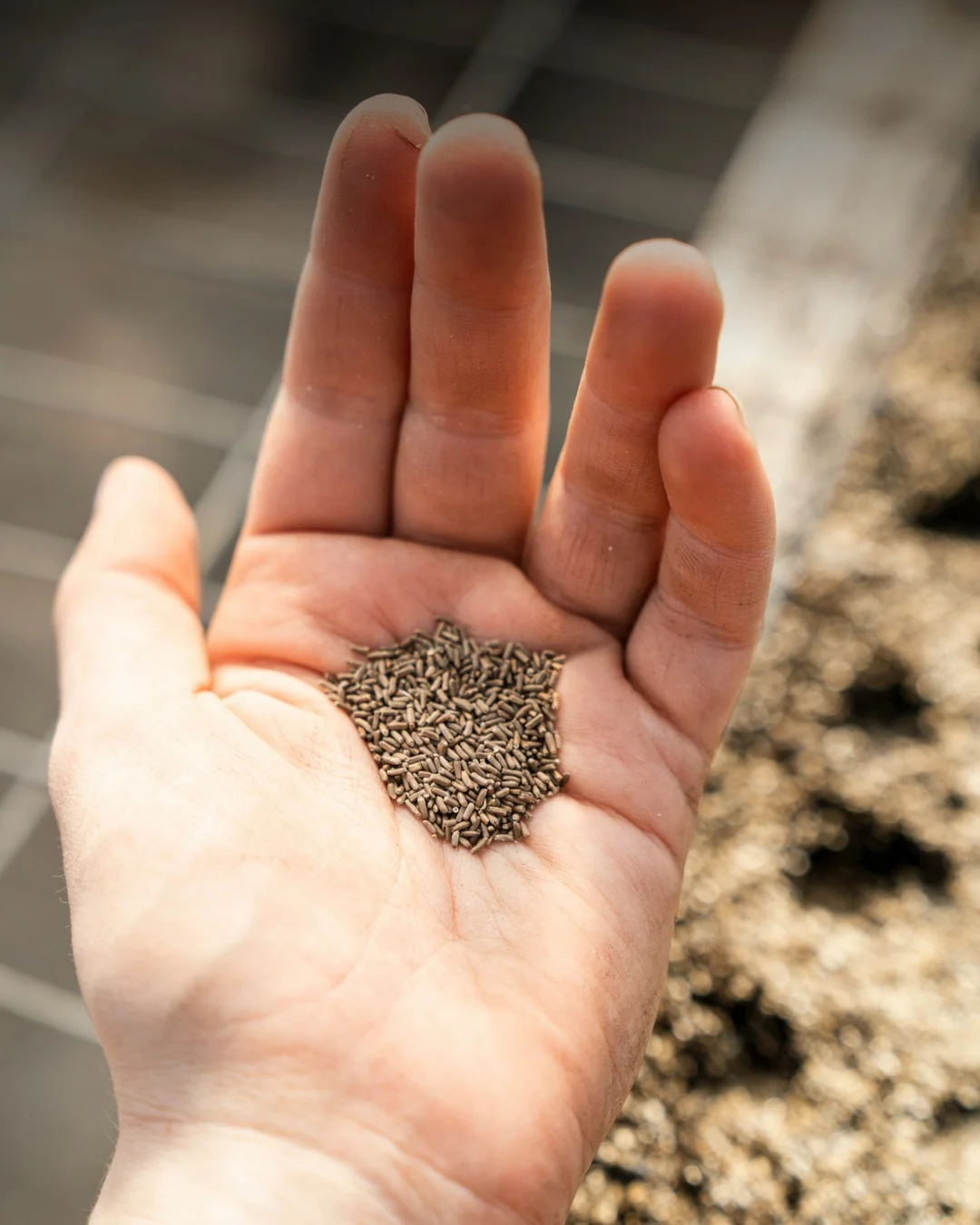
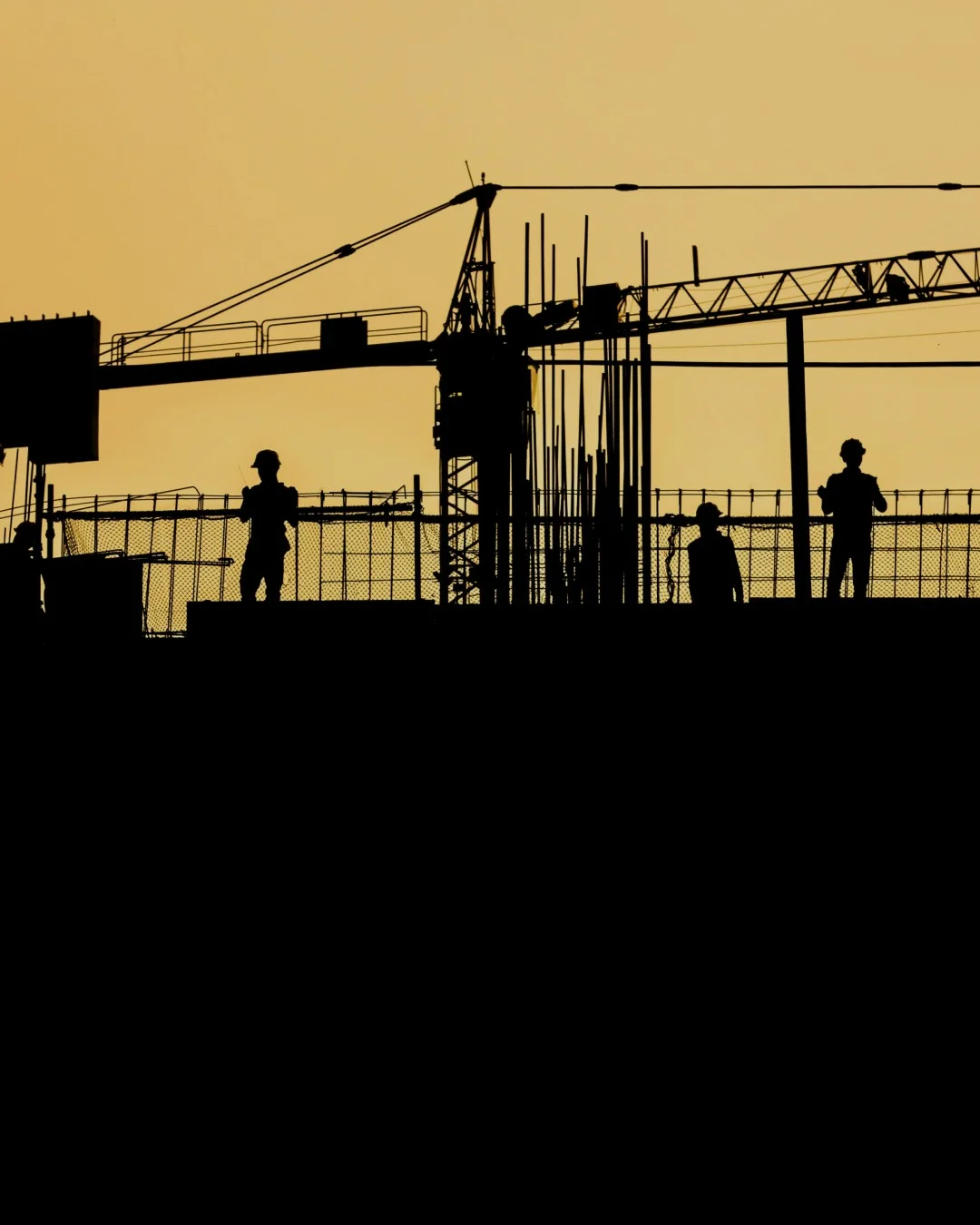
In terms of GDP, a country is doing well when it produces and consumes more. That’s all. It doesn’t matter whether people’s lives improve, whether the air becomes unbreathable, or whether rivers run dry.
Degrowth challenges that idea.

André Gorz, 1972
The term “degrowth” (décroissance, in French) was coined in 1972, when political philosopher André Gorz first used it at an international conference in Paris.
His question was straightforward: Can economic growth continue indefinitely on a finite planet?
Degrowth emerged as a critique of the industrial capitalist model.
Its basic premise is this: we cannot grow indefinitely on a planet with limited resources.
That is why it proposes that we stop measuring progress solely by GDP growth and start asking what is being produced, for whom, and at what cost.
That kind of growth tends to lead to greater inequality, because the wealth it generates is not distributed fairly. It also destroys ecosystems and depletes natural resources that cannot be replenished at the rate at which they are consumed.
And even so, it doesn’t always improve people’s lives: more is produced, but people don’t necessarily live better.
A Common Misunderstanding
Growth isn't about making anyone poorer.
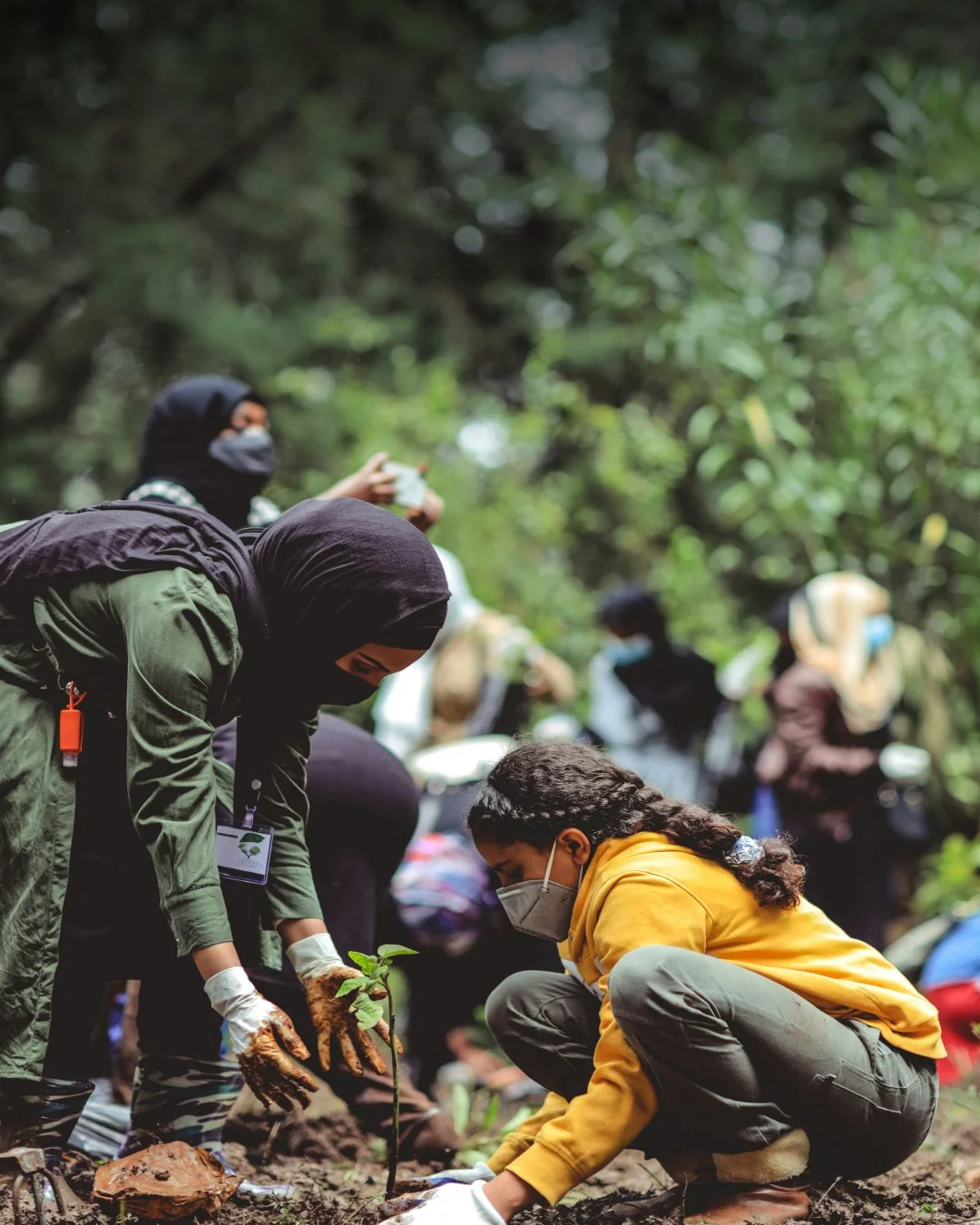
It means redistributing work, time, and resources so that everyone can live well, without destroying the planet.
Those who have the most and consume the most are the ones who should cut back the most. Those who can't make ends meet today need exactly the opposite.
Rethinking the economy isn’t just about consuming less. It’s about changing what is produced and how we live: ensuring that what breaks can be fixed, that essential goods are produced close to where they’re needed, and that health, education, and care are rights—not businesses.
Fewer hours spent on meaningless production, more time for what sustains life.
Who Pays the Bill
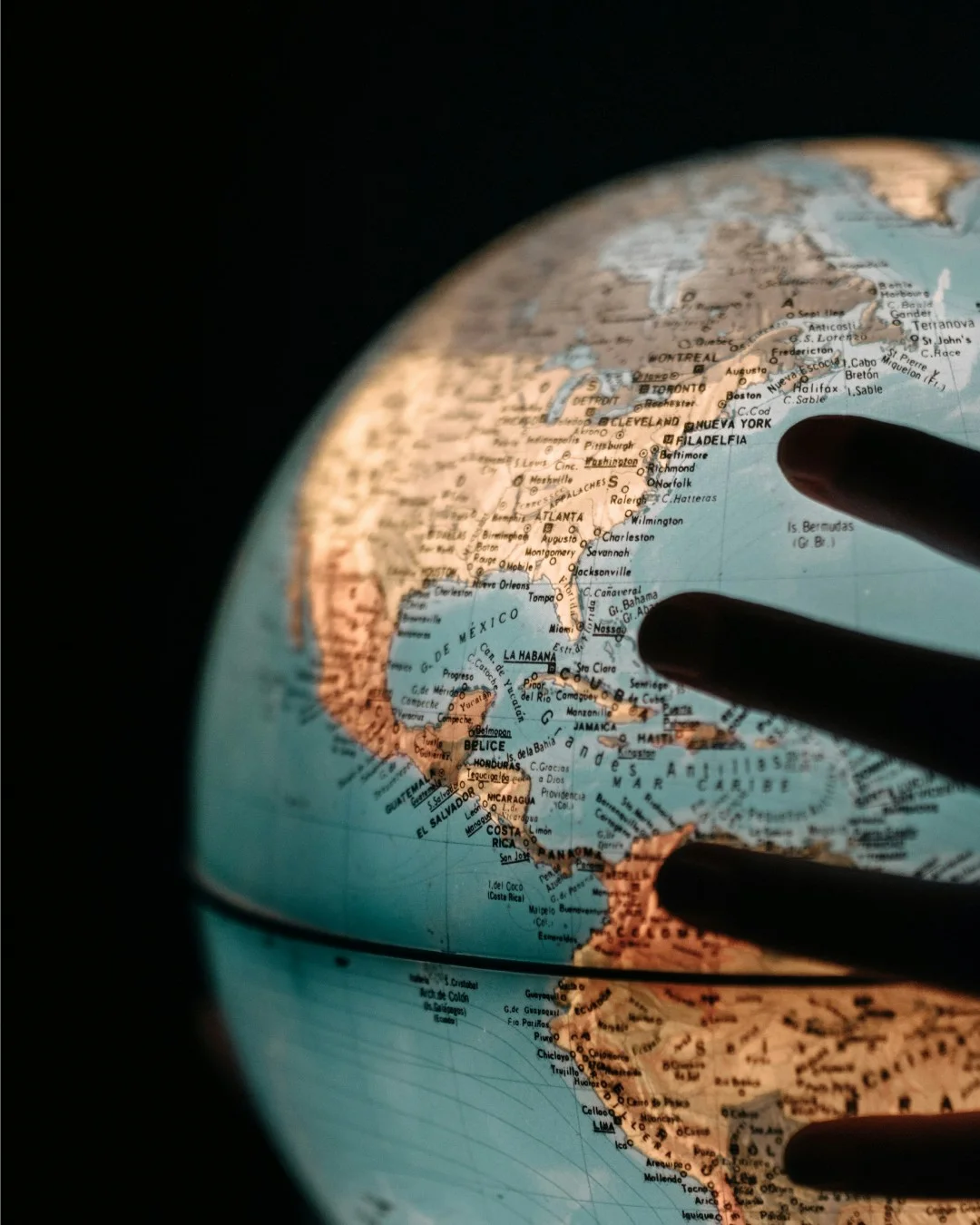
In Latin America, growth was celebrated for decades as synonymous with development. But its benefits almost never reached those who lived where the resources were extracted.
Mines, monoculture farms, and megaprojects left rivers polluted and communities displaced, while the profits went elsewhere.
The question is not just how much growth there is, but who benefits and who bears the consequences.
The goal is not to accumulate more.
It is a good, dignified, and sustainable life for everyone.
Share and join us.
1 / 13
In terms of GDP, a country is doing well when it produces and consumes more. It doesn’t matter whether people are living better, whether the air becomes unbreathable, or whether rivers dry up. Degrowth challenges that idea. It emerged in 1972, when André Gorz asked whether growth could continue indefinitely on a finite planet. Degrowth does not mean impoverishing anyone: it means redistributing work, time, and resources so that everyone can live well.
The infrastructures that sustain life—water, soil, networks, care—and why innovation must strengthen them.
For centuries, we have designed without considering our interdependence with nature, but today it is not enough to simply reduce harm: we must design to restore. The challenge is to transform our practices to regenerate ecosystems, communities, and economies through technology that coexists in harmony with nature. From carbon-capturing architecture to urban planning that transforms cities into living ecosystems, the key lies in revaluing ancestral knowledge and fostering a regenerative mindset. 📸 Ricardo Gómez Ángel, Pim de Boer.
The climate crisis is already here. In the face of it, neither naive optimism nor pessimism will help. We need active hope: the understanding that the future depends on what we do today. Every action counts. Tomorrow cannot be predicted; it is built through organization, collective action, and pressure on those in power. Let’s not wait for a better future—let’s make it livable starting now. 📸: Susan Wilkinson, Oliver Kwembe, Leonardo Basso, Francesco Ungaro.
Newsletter
Ideas and voices from the South in your inbox. Free, no spam.
We respect your privacy. Unsubscribe anytime.