Invisible Infrastructure
The infrastructures that sustain life—water, soil, networks, care—and why innovation must strengthen them.
sustainabilityExplore also: design
 Elsie RalstonOct 23, 2026

From Sustainable Design to Regenerative Design
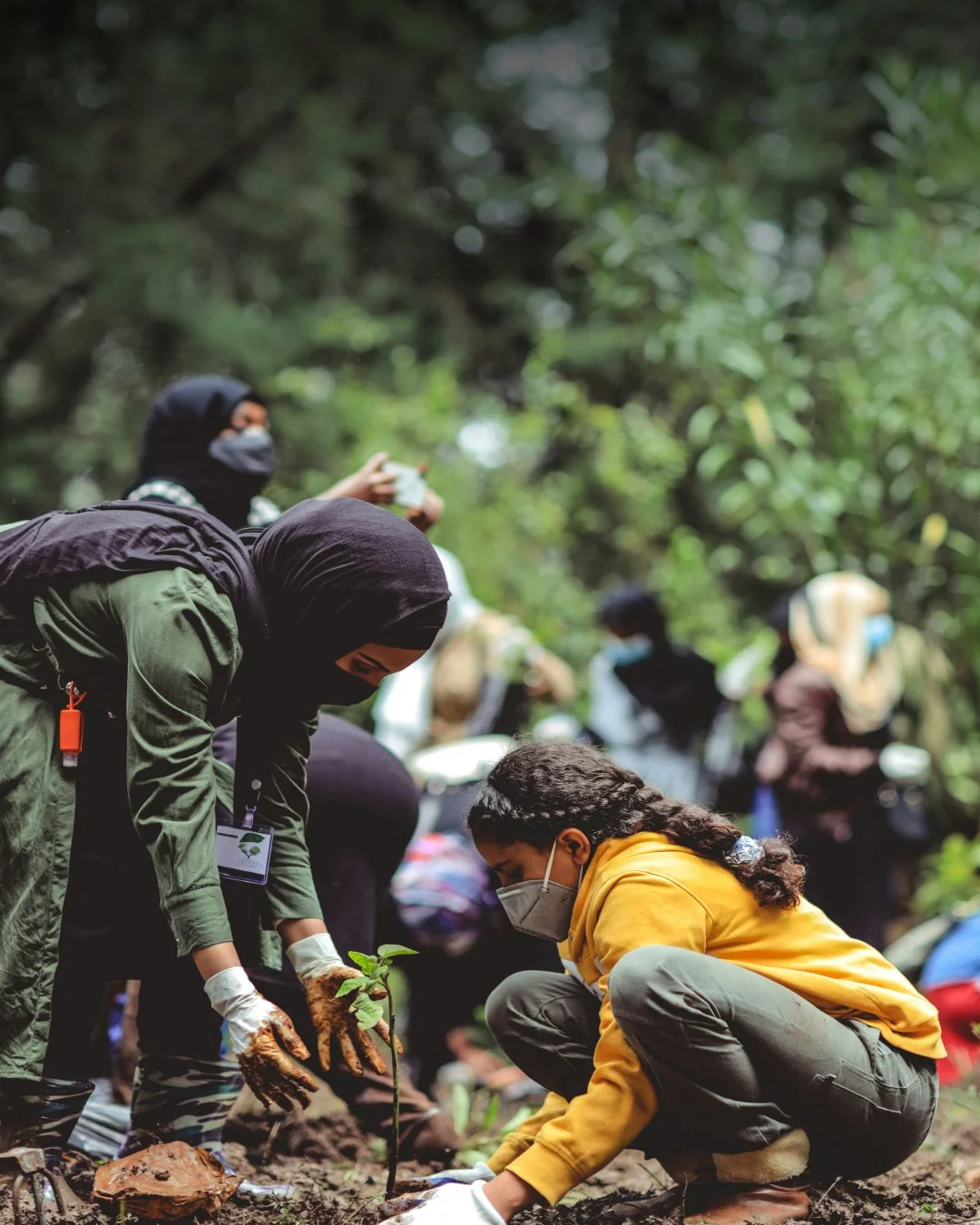
For centuries, we have designed without considering our interdependence with nature, but today we face the challenge of transforming our practices to regenerate ecosystems, communities, and economies. It is not enough to simply reduce harm—we must design to restore.

Technology that regenerates?
The digital world can also be regenerative. From platforms that promote responsible consumption to tools for ecological restoration, technology must serve as a bridge to a future where the digital and the natural coexist harmoniously.
Spaces That Heal the Environment
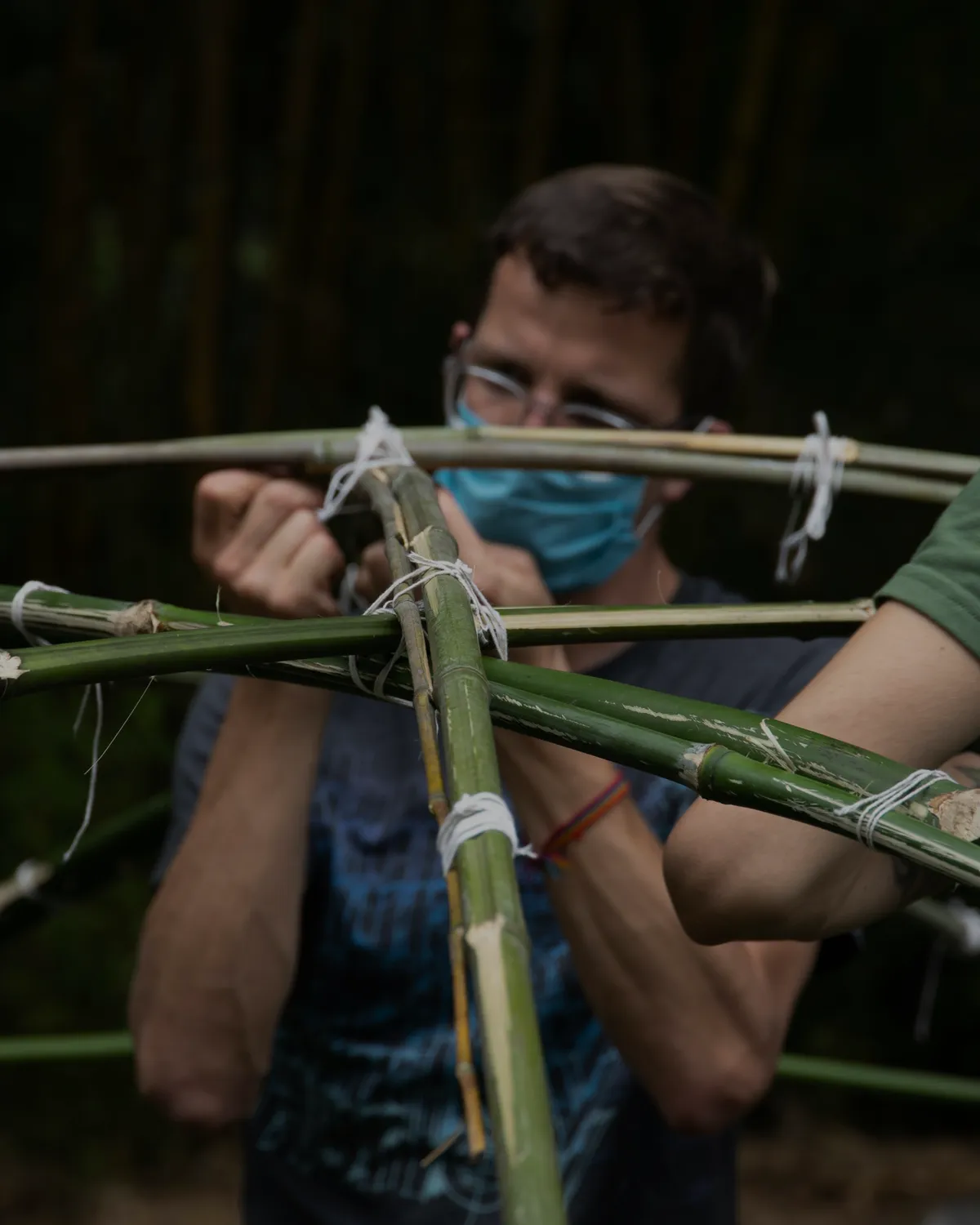
Regenerative architecture not only minimizes environmental impact but also revitalizes its surroundings. From biodegradable materials to designs that mimic nature, buildings can capture carbon,
purify the air, and
regenerate soil.
Cities That Bring Life Back
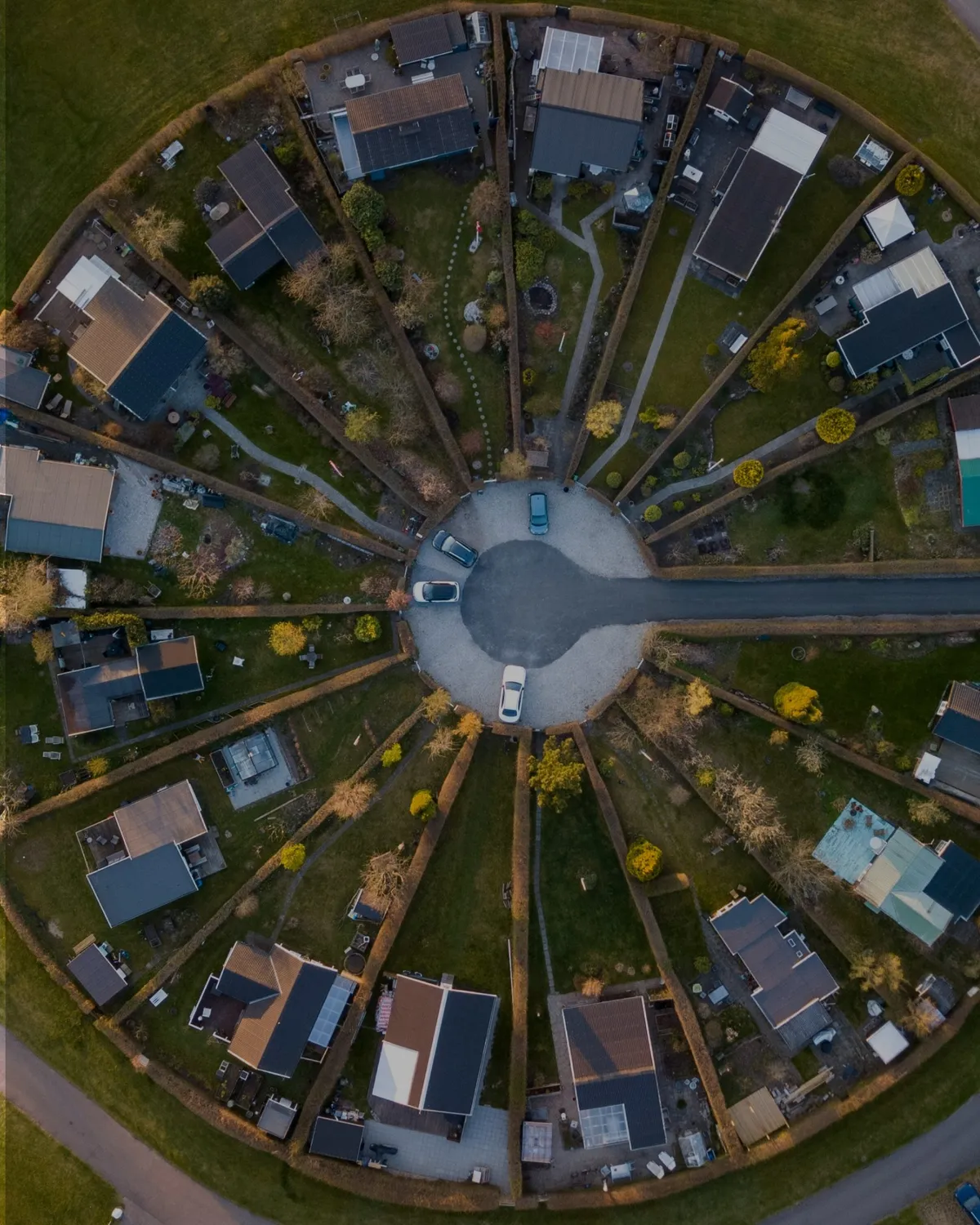
Regenerative urban planning seeks to transform cities into living ecosystems.
Green spaces, ecological corridors, and sustainable transportation systems help create resilient communities where nature and urban life intertwine.
To build a regenerative future, we need education that inspires action. From nature-based educational systems to the revitalization of ancestral knowledge, raising generations with a regenerative mindset is key to transforming the world.
Share and join us
1 / 10
For centuries, we have designed without considering our interdependence with nature, but today it is not enough to simply reduce harm: we must design to restore. The challenge is to transform our practices to regenerate ecosystems, communities, and economies through technology that coexists in harmony with nature. From carbon-capturing architecture to urban planning that transforms cities into living ecosystems, the key lies in revaluing ancestral knowledge and fostering a regenerative mindset. 📸 Ricardo Gómez Ángel, Pim de Boer.
Tags:regeneration
The infrastructures that sustain life—water, soil, networks, care—and why innovation must strengthen them.
In terms of GDP, a country is doing well when it produces and consumes more. It doesn’t matter whether people are living better, whether the air becomes unbreathable, or whether rivers dry up. Degrowth challenges that idea. It emerged in 1972, when André Gorz asked whether growth could continue indefinitely on a finite planet. Degrowth does not mean impoverishing anyone: it means redistributing work, time, and resources so that everyone can live well.
In this episode of The UX Rebels, we speak with Cristian Situ and Elsie Ralston, co-founders of Sur Global, a nonprofit organization that promotes more conscious and responsible innovation in Latin America. We discuss the origins of Sur Global, its purpose, and the educational model they’re using to train new generations of designers with a critical and locally grounded approach. We also reflect on the future of design in the region, the importance of rethinking the methods we were taught—methods that have historically been central to the world of innovation and technology—and the importance of adapting them to the contexts in which we are designing. We discussed the conference they’re organizing for October—a space where they aim to build community, learn collectively, and design from the Global South. A powerful, necessary, and urgent episode for those of us who believe that design has a social role to play in the world. And remember: we are rebels.
Newsletter
Ideas and voices from the South in your inbox. Free, no spam.
We respect your privacy. Unsubscribe anytime.