UNTOLD.ink
Back

identityExplore also: art

Cartographies of the Detour

-Gonzalo Benavente Secco, from the Global South- What does it mean to imagine from the margins? *Cartographies of the Detour* is a series of brief but meaningful interviews that seek to balance critical depth with humanity, from a perspective rooted in the Global South and for the Global South. In this conversation with Gonzalo Benavente Secco, we explore what it means to create when technology promises to automate it all
Cartographies of the Detour
Apr 29, 2026·1 min read

Translating into English

We're translating this content for you. It'll be ready in just a moment — thank you for your patience.

Gonzalo Benavente Secco
Gonzalo Benavente Secco

Sobre Gonzalo

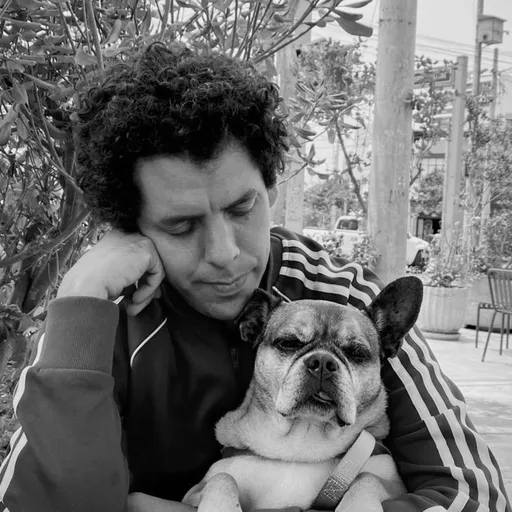
Writer and director of film, theater, and television. Director of Autocinema, the production company that redefined the political documentary in Peru. His film *La revolución y la tierra* (2019) was the most-watched documentary in the history of Peruvian cinema. But this was no accident; Gonzalo has worked in communities across Peru and South America—a region that left a lasting impression on him—and there he learned that telling stories from the Global South means renouncing the comfort of hegemonic discourse. He is currently working on *El arte de la guerra*, which received funding from the Ministry of Culture and won awards at MAFIZ (Málaga) and Chile Conecta. In television, he served as head writer for *Aprendo en casa* during the pandemic and directed *Historias de papel* (Plus TV), adapting literary classics for the small screen. He holds a Master’s degree in Hispanic American Literature from PUCP; for three years, he headed communications at TECHO – Peru, and since 2021, he has been a member of the selection committee for the Lima Film Festival. What matters about his work is not how many screens it occupies, but that cinema remains, for him, an act of creative defiance. In April 2026, his first novel, *Ítaca*, will be published by Los Olvidos.


Tags:citizenshipculturedesigninterview

You might also like

From Sustainable Design to Regenerative Design

For centuries, we have designed without considering our interdependence with nature, but today it is not enough to simply reduce harm: we must design to restore. The challenge is to transform our practices to regenerate ecosystems, communities, and economies through technology that coexists in harmony with nature. From carbon-capturing architecture to urban planning that transforms cities into living ecosystems, the key lies in revaluing ancestral knowledge and fostering a regenerative mindset. 📸 Ricardo Gómez Ángel, Pim de Boer.

1:29

SURGLOBAL on The UX Rebels (Ep. 03, Season 6)

In this episode of The UX Rebels, we speak with Cristian Situ and Elsie Ralston, co-founders of Sur Global, a nonprofit organization that promotes more conscious and responsible innovation in Latin America. We discuss the origins of Sur Global, its purpose, and the educational model they’re using to train new generations of designers with a critical and locally grounded approach. We also reflect on the future of design in the region, the importance of rethinking the methods we were taught—methods that have historically been central to the world of innovation and technology—and the importance of adapting them to the contexts in which we are designing. We discussed the conference they’re organizing for October—a space where they aim to build community, learn collectively, and design from the Global South. A powerful, necessary, and urgent episode for those of us who believe that design has a social role to play in the world. And remember: we are rebels.

Newsletter

Ignite your curiosity, transform the future

Ideas and voices from the South in your inbox. Free, no spam.

We respect your privacy. Unsubscribe anytime.