technologyExplore also: artificial intelligence
Cartographies of the Detour
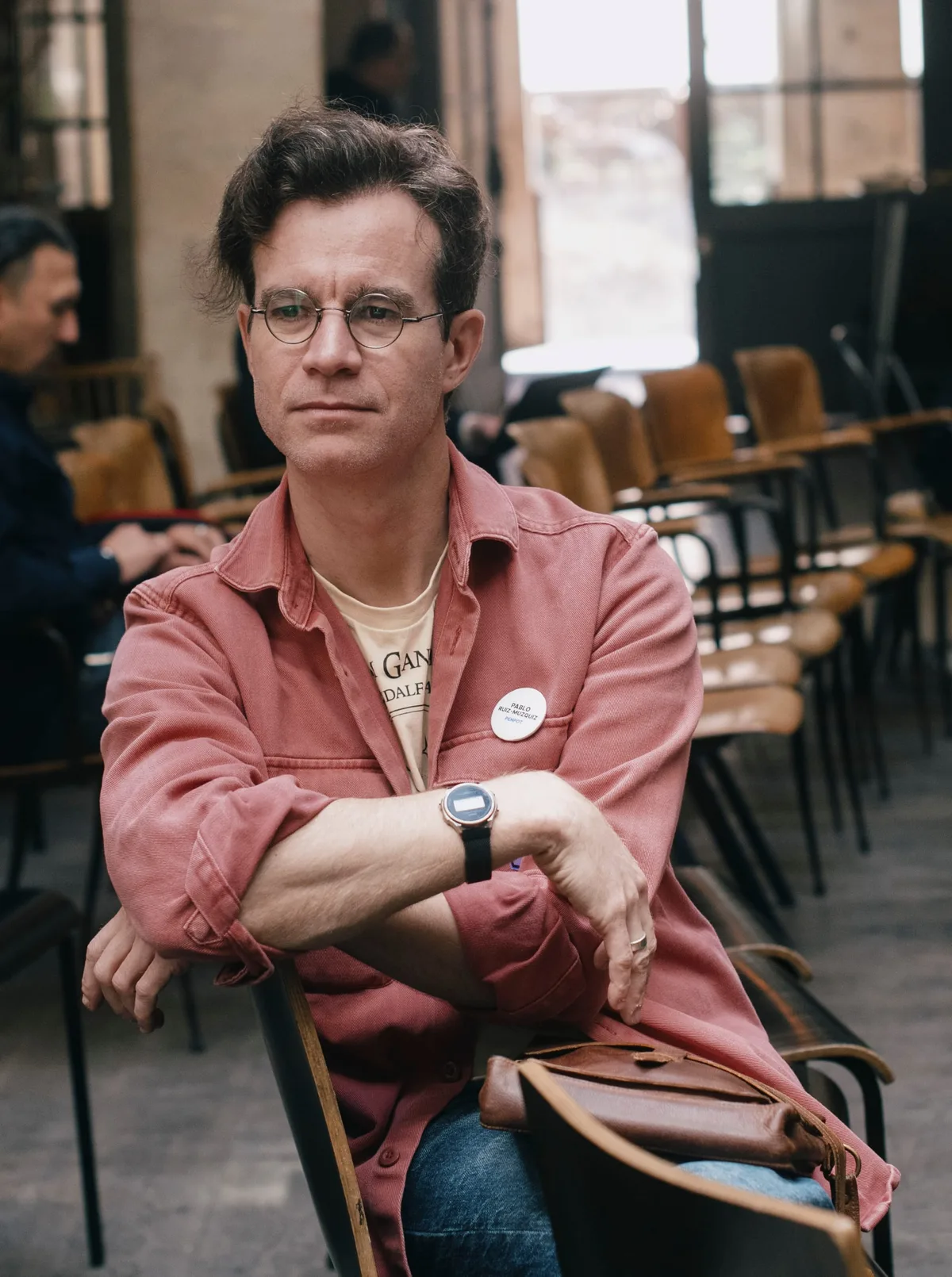
What does it mean to imagine from the margins? *Cartographies of the Detour* is a series of brief but meaningful interviews that seek to balance critical depth with humanity, from a perspective rooted in the Global South and for the Global South. In this conversation with Pablo Ruiz-Múzquiz, we explore what it means to design tools that liberate rather than constrain: open technology that offers autonomy in the face of l
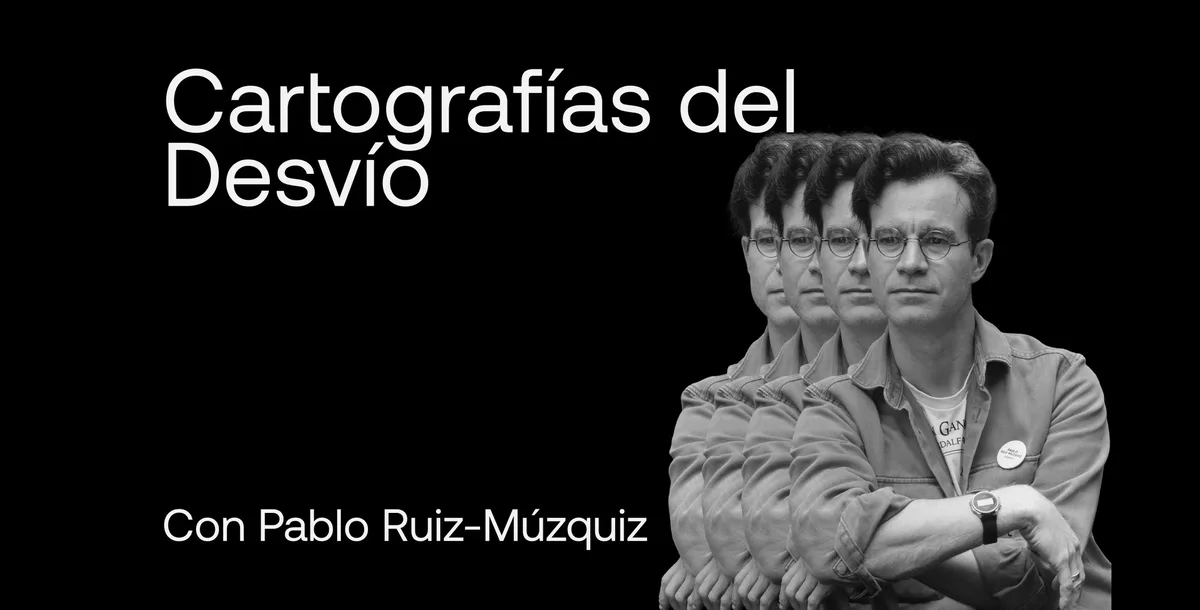
What does it mean to imagine from the margins? Cartographies of the Detour It is a format featuring brief but meaningful interviews that seek to balance critical depth with humanity, from a perspective rooted in the Global South and for the Global South. In this conversation with Pablo Ruiz-Múzquiz, we explore what it means to design tools that liberate rather than constrain: open technology that offers autonomy in the face of cultural and power monopolies.
From his vantage point in the South—both symbolic and political—Pablo invites us to challenge our assumptions and make room for futures in which digital technology does not take shortcuts that undermine our humanity.
What stories, people, or places have shaped your view of the future?
My maternal grandmother, who was a little girl when the Spanish Civil War broke out, always told her many grandchildren (I was the oldest) never to forget how privileged we were.
Among J.R.R. Tolkien’s diverse body of work is *The Lord of the Rings*, in which Gandalf says to a frustrated and fearful Frodo: “All we have to decide is what to do with the time we’ve been given,” which, when combined with my grandmother’s motto, inspires conscious and activist action aimed at shaping the present to create a better future.
Ultimately, being born and living in Spain—with all the weight of its history—makes you reflect on how you can create a past filled with pride for the future inhabitants of these lands.
How do you understand the role of design and innovation in countries of the Global South?
I hardly have the insight to respond with even a modicum of dignity, but my conviction is that the role of design in the Global South is to find—among other things—its own solutions to its own problems. The challenge arises when we add “within the constraints of the available tools and cultural monopolies.” That’s when I wonder how much innovation can emerge, free from constraints.
For me, it’s crucial that innovation from the Global South challenge the Global North’s established norms by clearly stating, “Not like that—it’s done this other way.”
Is there a question you're always trying to answer through your work?
There are so many, but on a more personal level, I would choose this one: How can I anticipate future trends in digital technology development so that my work today has a decisive and positive impact?

What do you think is humanity's biggest misunderstanding?
The apparent need to transcend as a species. And its distant cousin: the obsession with constructing identities based on mythologized, distant pasts.
And what about the biggest conspiracy?
The techno-feudal oligarchy.
What conversations are still missing from the decision-making tables?
Essentially, those that involve a longer-term perspective, in which the people sitting at those very tables understand that they will no longer be around to take credit for anything.
How can the practice of your profession challenge existing power structures?
Providing enabling technology to everyone and offering them autonomy and sovereignty so they can resist the blackmail of those in power.
What risks are you willing to take at work today?
Don't take shortcuts when they go against your own values.
A book that made you change your mind
Two. The Bible and Thus Spoke Zarathustra.
An idea you're leaving behind
Our confidence that we will be able to resolve the climate crisis.
A phrase that stays with you when everything is falling apart
Except for death, everything has a solution.
What question didn't we ask you that you would have liked to answer?
“An idea that’s been on your mind lately” -> The importance of fostering intergenerational dialogue.
If UNTOLD.ink were a constellation of people and knowledge, what role would you like to play?
A poet who would listen closely to conversations and then distill the agreements into verses that would draw out the best of language to honor and celebrate them.
Images courtesy of Pablo Ruiz-Múzquiz.
Pablo Ruiz-Múzquiz

Sobre Pablo
Pablo is the CEP at Kaleidos and Penpot. He describes himself as a science nerd who is passionate about archery, cooking, gaming, and history. He loves open source, collaboration in design and code, and lean practices.
Tags:interviewopen source